
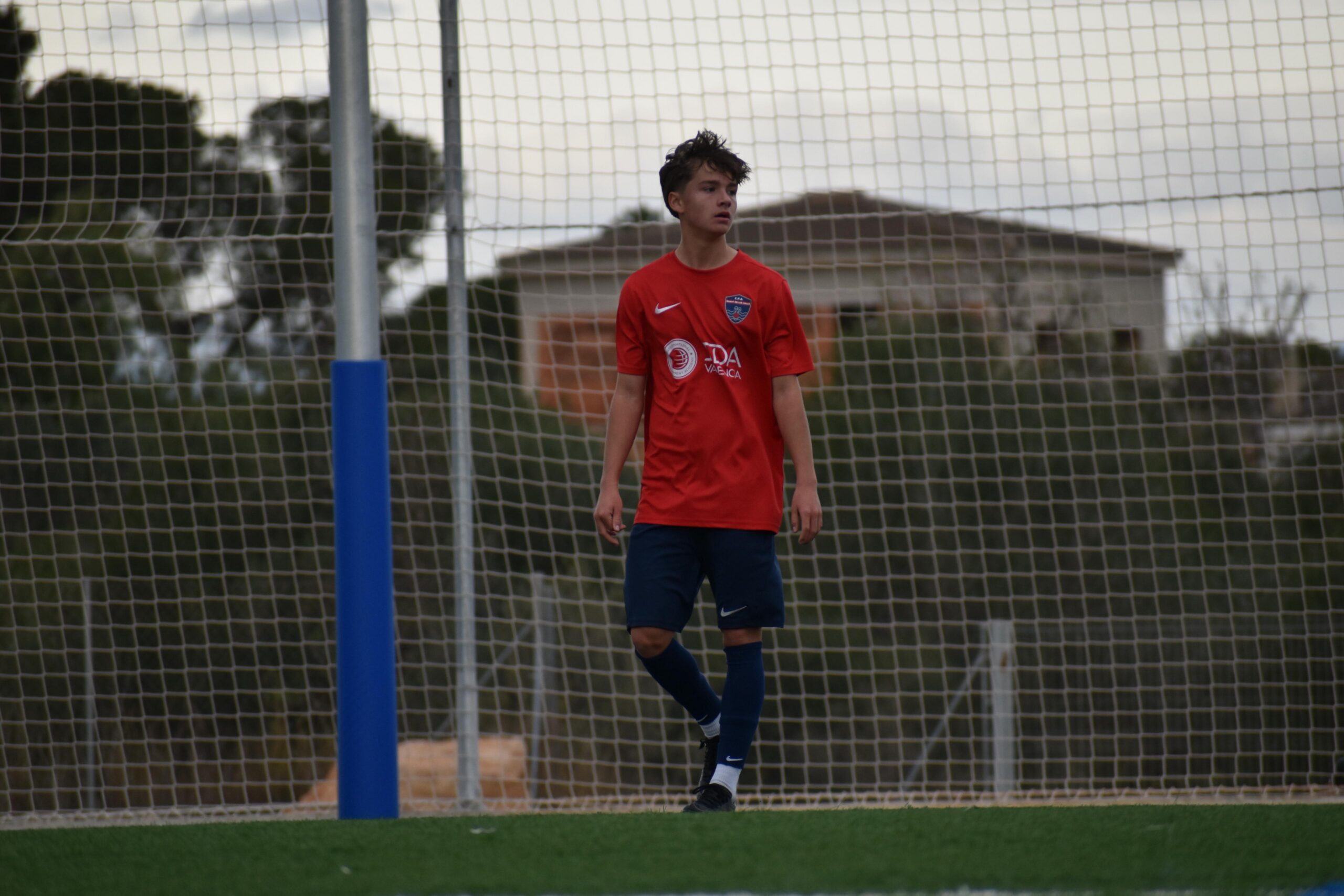
For many players in the United States, the pathway to a college soccer scholarship follows a familiar route — club soccer, showcases, and recruitment events. But for some, standing out means taking a different approach. Increasingly, players are choosing to train abroad in academies in Europe to accelerate their development and open new opportunities.
For Max Wetzel, that decision meant leaving Denver, Colorado, and moving to Valencia, Spain to join the IDA Valencia residency programme. In a new environment focused on daily development, high-level competition, and international exposure, he took a significant step forward in his journey.
That experience has now led him to Newman University, where he will compete at the NCAA Division II level.
Max grew up playing in the United States, following a traditional development pathway. But as he approached his next step, he began to think differently about what he needed to progress.
“I started thinking about college earlier this year after hearing about my friend’s experience,” he explains. “I felt like it was the best next step for me.”
“I wanted to go to one of the biggest countries in the world for soccer and experience a different level of the game.”
Moving to Valencia was not just about improving as a player — it was about growth.
“I think coming to Spain helped me push myself. It took me out of my comfort zone and helped me become a more open person.”
At IDA Valencia, players live, train, and compete in an international environment, surrounded by teammates from different countries and backgrounds.
“You’re exposed to different people, different ways of thinking, and a different style of soccer. It helps you grow in ways you wouldn’t expect.”
Learning Through a Different Game
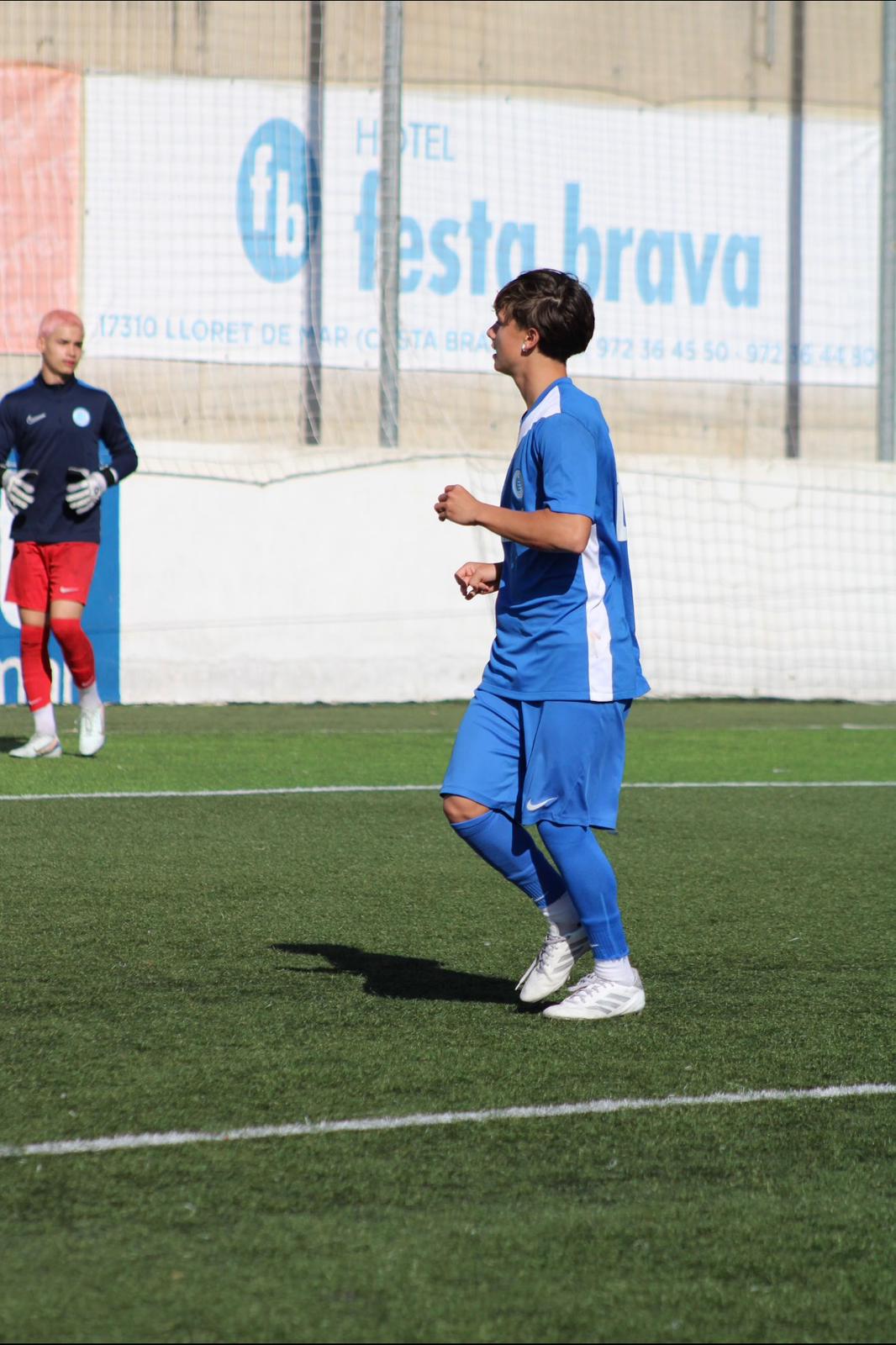
One of the biggest differences Max experienced was the level and style of play in Spain.
“Playing in Spain made me realise there are new levels to the game.”
Facing technical, fast-paced opposition on a weekly basis forced him to adapt and develop new aspects of his game.
“I had to look at myself and find new ways to improve so I could compete.”
This exposure to a different football culture is a key part of development.
“These challenges push you to become a better player, not just for yourself but for your teammates as well.”
At IDA Valencia, development is built around consistency and structure.
“Training every day made me smarter, stronger, faster,” Max says. “It helped me develop quicker.”
This kind of environment mirrors the demands of the professional game and helps players raise their standards.
“You have to stay focused every day. It makes you think faster and stay sharp.”
For players aiming to progress, that daily exposure makes a significant difference.
Alongside his development in Valencia, Max worked toward his goal of earning a college soccer scholarship.
Through IDA, he received support both academically and athletically, helping him stand out to college coaches.
“IDA helped me with both my academics and soccer so I could stand out to colleges,” he explains. “They helped me get to a very good school.”
That next step will take him to Newman University, where he will compete at the NCAA Division II level.
“It’s a great school with a strong soccer program. From the first time I saw them play, I liked their style — they play good soccer and win games.”
Just as important was the environment.
“I want to be somewhere that pushes me every day and also gives me a good education.”
Transitioning to college soccer brings new physical and mental demands.
Max feels that his time in Spain has prepared him well.
“I know it will be more physical, but I feel Spain has prepared me technically to compete.”
At the same time, he understands that development is ongoing.
“I think I will be challenged mentally as well. There will be difficult moments, but that’s part of improving as a player and as a person.”
Living in Valencia gave Max experiences that extend beyond soccer.
“Being away from my family helped me mature and understand who I want to be as a person.”
Adapting to a new culture, learning a new language, and connecting with people from around the world all contributed to that growth.
“It was really interesting to experience a different culture. I also learned Spanish and met people with completely different backgrounds.”
Looking back, he is clear on the impact of his decision.
“I know I wouldn’t be in the same position if I didn’t come to IDA. I wouldn’t be the person I am today.”
As he prepares to begin his college career in the United States, Max is focused on making the most of the opportunity.
“I want to start, contribute to the team, and earn my degree.”
Like many players, he sees this as part of a longer journey.
“I want to keep improving, take on new challenges, and see where it can take me.”
For players considering a similar pathway, Max’s advice is simple.
“I would definitely recommend taking an international pathway.”
The experience, he believes, goes far beyond soccer.
“I’ve met some of my best friends and played with some very talented players. It pushes you to be better.”
For parents, the decision to send a player abroad can be difficult.
But Max offers reassurance.
“Your child will be fine. The coaches and players will welcome them, and they will benefit from the experience more than you think.”
Max’s journey shows how an international experience at a soccer academy in Spain can provide more than just training.
It offers:
For those willing to step outside their comfort zone, it can be a defining experience — and, in Max’s case, a pathway to the next level.
Still have questions? Want to learn more? Fill out the form below to connect with an IDA representative. We look forward to hearing from you!