
As the inaugural IDA Pro Combine approaches, there’s a growing sense that this is more than just another event on the football calendar. It represents a shift in how players are evaluated, how opportunities are created, and how pathways are understood.
Designed as a high-level experience for players serious about their development, the Pro Combine brings together training, competition, evaluation, and education into one unified environment.
But what truly defines it?
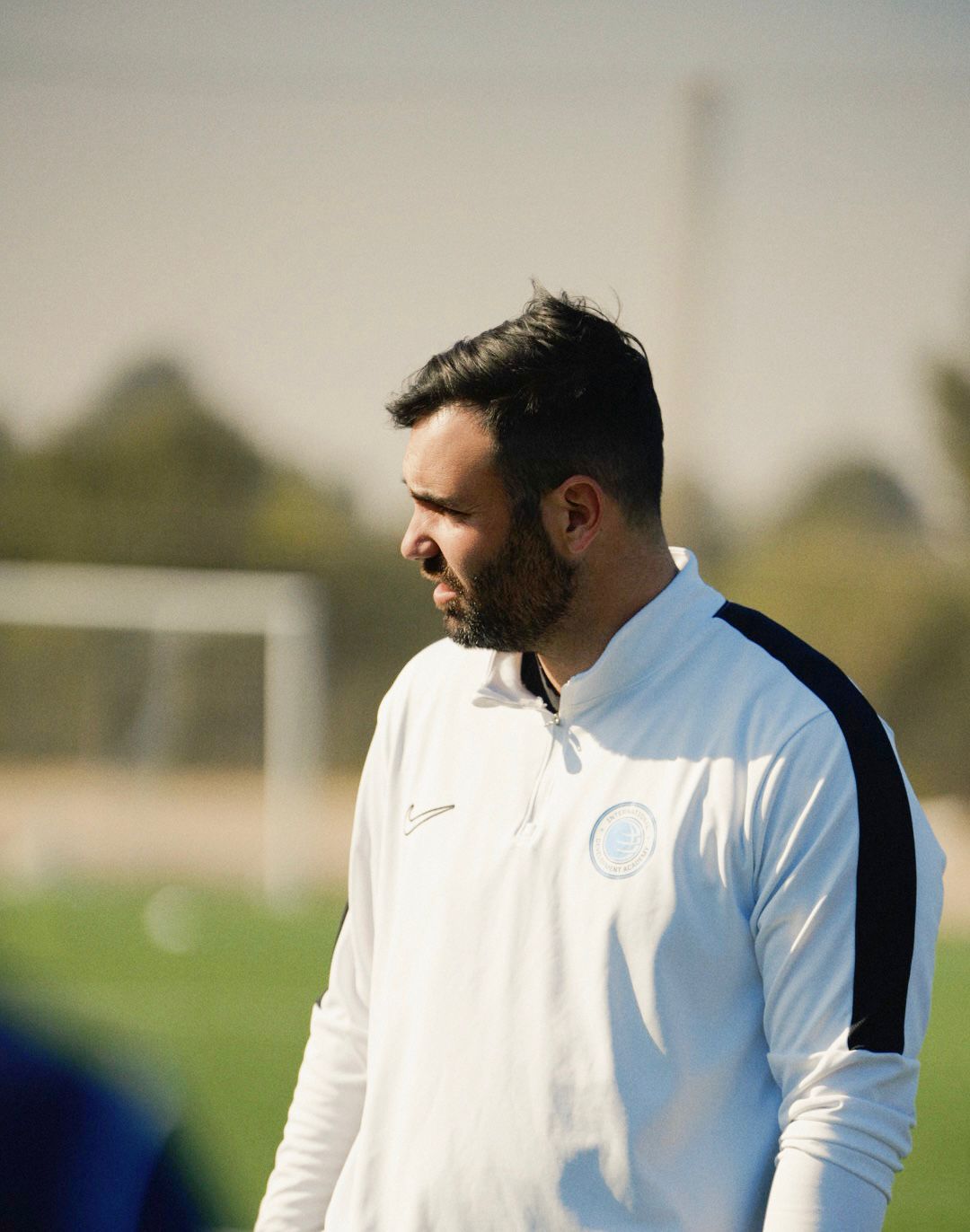
To answer that, we spoke with Vicente, IDA Pro Combine Director, as the final preparations come together.
A Project Reaching a Defining Moment
Inside IDA, the days leading up to the event are not just about logistics – they reflect something bigger.
“There’s a strong feeling of excitement and responsibility. Everything is coming together, and we know this is an important moment – not just for the players, but for the growth of IDA as a project.”
This first edition is a statement. Not only about the event itself, but about IDA’s commitment to creating structured, meaningful opportunities in the global game.
More Than a Showcase – A Complete Evaluation Environment
The Pro Combine has been intentionally designed to move beyond the limitations of traditional showcases, where players are often judged in isolated moments.
“This is not just a showcase. It’s a real evaluation environment where players are assessed in a structured, professional context – not just observed in isolated moments.”
Across the week, players will experience a balanced program that includes:
Tactical and technical training sessions
Competitive matches against Spanish clubs
Individual feedback and performance analysis
Educational sessions on pathways and decision-making
The result is a more complete picture of the player – not just what they can do, but how they think, adapt, and perform consistently.
Inside the “Professional Environment”
One of the defining elements of the Pro Combine is structure – something often missing in short-term events.
“There’s a full structure behind it – scheduling, staff coordination, individual tracking, and constant monitoring. Players are stepping into an environment that has been carefully built to replicate professional standards.”
This structure is not accidental. It mirrors the daily reality of professional football environments, where performance is not judged in moments – but across systems, behaviors, and consistency.
What Scouts Are Really Evaluating
While technical quality remains important, the evaluation goes far deeper.
“They look beyond talent – decision-making, consistency, attitude, adaptability, and how players behave in a team environment.”
This aligns with the core philosophy of the event: football is not just about ability – it’s about context, understanding, and reliability over time.
Clarity: The Most Valuable Outcome
For many players, one of the biggest challenges is understanding where they truly stand.
“It puts players in a demanding and honest environment. They can clearly see where they stand compared to others and what they need to improve to reach the next level.”
The Pro Combine is designed to provide that clarity – something that is often missing in traditional development pathways.
Real Pathways, Real Connections

The first edition brings together a powerful network:
7 U.S. universities
1 UK university
30+ Spanish clubs
This creates a unique bridge between European club football and the U.S./UK academic pathway.
“It opens real pathways – from college opportunities in the U.S. and UK to potential placements in Spanish clubs.”
More importantly, these connections are active – not passive.
“Exposure means being seen in the right context. Not just playing, but being evaluated, tracked, and discussed by clubs and universities throughout the event.”
The Invisible Work Behind the Event
What players experience on the field is only a fraction of what goes into the Pro Combine.
“We’ve been working for weeks with clubs and universities – sharing player profiles, organizing logistics, aligning expectations, and building a structure where everything runs efficiently.”
This behind-the-scenes coordination ensures that every minute of the event has purpose – and that every player is evaluated within a meaningful framework.
Day One: Immediate Intensity
From the first moment, the tone is clear.
“High intensity, clear structure, and a competitive environment. From the first moment, players need to be ready to perform and adapt.”
This is not a gradual introduction – it’s a reflection of real football environments, where adaptation is immediate.
The Level of Demand
Because the structure is strong, the demands naturally rise.
“The level is high because the structure behind it is strong. When everything is well organized – the sessions, timing, staff roles – the demand on the player increases.”
Players are not just tested physically, but mentally and tactically.
What Makes a Player Stand Out
In a setting where many players have the ability, differentiation comes from behavior.
“Consistency, attitude, communication, and understanding the game. Players who compete, listen, and adapt quickly stand out the most.”
These are the qualities that translate – not just within the combine, but into long-term opportunities.
Preparation: The Final Days Before Kickoff
With the event approaching, preparation becomes critical.
“Players should focus on being physically ready, mentally sharp, and open to learning.”
At the same time, there are common pitfalls:
“Trying to do too much, playing individually, or not understanding the context.”
And the most important advice?
“Play simple, compete hard, and show who you are every moment.”
Not Just an Event – A Pathway
The Pro Combine is not designed as a standalone experience.
“It reflects the way we work at IDA. It’s structured, coordinated, and built with long-term development in mind.”
It connects directly into the broader IDA ecosystem – where development, exposure, and opportunity are aligned over time.
One Sentence That Defines It
“The IDA Pro Combine represents the result of detailed planning, strong coordination, and a real commitment to creating professional opportunities for players.”
A New Standard for Player Development
At its core, the IDA Pro Combine is about clarity, structure, and real opportunity.
It’s where players don’t just get seen – they get understood.
Where performance is not just noticed – but measured.
And where the next step is not left to chance – but built with intention.
For student-athletes with college soccer aspirations, the recruitment process can feel overwhelming. Questions around exposure, competition level, academics, and timing often leave families wondering how to best position themselves for success.
That’s where an international soccer academy can make a meaningful difference.
At the International Development Academy (IDA), college preparation is built into the daily environment. Through structured training, competitive international matches, academic support, and direct exposure to college programs, IDA helps players turn ambition into opportunity—while keeping education at the center of the journey.
Why College Recruitment Is About More Than Talent
College coaches don’t just recruit skilled players; they look for athletes who are:
- Consistent performers in competitive environments
- Coachable, disciplined, and mentally resilient
- Academically prepared for college life
- Experienced against high-level opposition
A strong youth development soccer academy doesn’t just train players to win games; it prepares them to meet these expectations long before recruitment conversations begin.
IDA’s global model places players in professional-style settings where accountability, structure, and growth are non-negotiable.
Elite Development That College Coaches Respect
IDA’s training philosophy mirrors the demands of the college game. Players train daily under licensed coaches, follow individualized development plans, and compete against top academies and clubs across Europe and beyond.
Through these soccer youth academy and development programs, players learn how to:
- Adapt to different playing styles and systems
- Compete consistently at a high tempo
- Handle pressure and perform in unfamiliar environments
This level of preparation helps athletes arrive at college ready to contribute—not adjust.
Exposure Through the Right Competitions
Recruitment doesn’t happen in isolation. It happens in the right games, at the right moments, against the right level of competition.
IDA players gain exposure through:
- International matches and showcase events
- Competitive fixtures against professional academies
- Structured evaluation environments aligned with college standards
These experiences give college coaches meaningful data points—how a player performs under pressure, communicates, competes, and responds to feedback.
Academic Structure Matters
College soccer is still college first.
IDA partners with academic institutions and support systems that allow players to continue their education while training abroad. This ensures student-athletes remain eligible, prepared, and confident when transitioning into college programs.
For parents, this balance offers peace of mind. For players, it builds the habits needed to succeed at the next level.
A Proven College Pathway
IDA’s pro pathway doesn’t just lead to professional trials—it also opens doors to college soccer across the U.S.
Graduates of IDA have gone on to compete at both the NCAA and NAIA levels, earning roster spots and scholarships through consistent development and exposure.
What sets these players apart is not just talent, but readiness:
- Comfort competing at high speed
- Experience living independently
- Confidence communicating with coaches and staff
- Understanding of what college soccer truly demands
More Than Recruitment: Preparing for Life as a College Athlete
International academy life prepares players for more than recruitment emails and showcase events. Living and training abroad builds independence, discipline, and maturity—qualities college coaches value as much as performance.
Players return stronger, more focused, and better equipped to manage the academic and athletic demands of college life.
A Smarter Approach to College Soccer
Choosing the right development environment can shape an athlete’s entire future.
For families navigating recruitment season, an international soccer academy like IDA provides clarity, structure, and opportunity—helping players grow into college-ready student-athletes with real pathways forward.
🎓 Learn more about IDA’s global academies and development programs:
👉 https://internationalda.com/academies/

International Development Academy is set to take a significant step forward this Easter, traveling to MICFootball 2026 with seven teams across multiple age groups—marking one of the most complete representations of the academy on a global stage.
With U16 Navy, U16 Royal, U18 Navy, U18 Royal, U18 White, U19 Navy, and U19 White all competing, IDA’s presence goes beyond participation. It reflects the growth, structure, and ambition of a project designed to develop players within a unified identity.
“For us, it represents a very important step as an academy,” said Academy Director Vicente Bosch Tebar. “It’s not just about participating, but about competing with seven teams across different age groups. Being present with so many players allows us to experience the tournament as a unified club, where everyone shares the same identity.”
A Global Stage for Development
MICFootball has built a reputation as one of the most competitive youth tournaments in the world, bringing together elite academies, professional club structures, and international teams in a high-intensity environment.
For IDA, this is exactly where development accelerates.
“It is essential,” Vicente explained. “These types of tournaments push players to their limits—not only technically and tactically, but also mentally. It’s where you can truly measure your level against some of the best academies in the world.”
In a format where teams face different opponents in quick succession, players are exposed to varying styles of play, rhythms, and levels of intensity—forcing constant adaptation.
“Players are exposed to different styles, rhythms, and levels of intensity in a short period of time,” Vicente added. “This accelerates their learning process, as they are constantly required to adapt and make decisions under pressure.”
U16 Navy Drawn into a High-Level Group
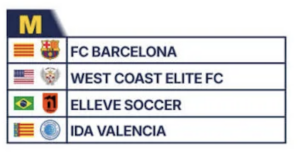
At the center of IDA’s participation is the U16 Navy group, drawn into a standout group featuring FC Barcelona, a Brazilian side, and top American opposition.
For Head Coach Luis Manuel Muñoz Galaso, this is exactly the type of challenge the group has been preparing for.
“Our first reaction to the group was very positive—we see it as a great challenge,” he said. “Facing teams like FC Barcelona, a Brazilian side, and a top American team is exactly the kind of competition we’re looking for.”
The sequence of matches adds another layer to the test.
Starting against Brazilian opposition, the team expects a game defined by creativity and individual quality. The second match, against FC Barcelona, will demand tactical discipline, concentration, and speed of play. The final group match against American opposition is likely to bring a different physical and competitive dynamic.
“Each opponent will demand different solutions,” Luisma explained. “We’re working on adaptability and reading the game effectively. Adaptability will be crucial—we want our players to adjust quickly and respond well to different game scenarios.”
Facing Barcelona: A Defining Experience
The matchup against FC Barcelona stands out—not only for its prestige, but for what it represents in the players’ development journey.
“When facing teams like FC Barcelona, the key is learning,” Luisma said. “We want our players to understand the level required, especially in terms of speed of play, positioning, and decision-making.”
For IDA, these moments are not just about results, but about exposure to the highest standards of the game.
“Facing top academies such as FC Barcelona creates an environment that is much closer to professional football,” Vicente noted. “This is where players begin to understand what the next level truly demands.”
Adaptability and Identity
Competing in a tournament like MIC requires more than preparation—it demands adaptability.
With teams from different countries and football cultures, the ability to read the game and adjust quickly becomes a decisive factor.
“In this type of competition, there is no margin for error,” Vicente said. “Players must quickly understand what each game demands and adjust accordingly. Adaptability often makes the difference.”
At the same time, IDA remains committed to maintaining its identity.
“We believe in maintaining our identity, but also adapting certain aspects depending on the opponent,” Luisma added. “It’s about finding the right balance between staying true to our principles and being competitive.”
More Than Results
While the level of competition is high, both staff and players approach the tournament with a broader perspective on success.
“Performance is important, but it never comes before development,” Vicente explained. “We want players to compete to win, but always understanding that every match is an opportunity to learn.”
For the coaching staff, the objective is clear: growth, maturity, and a deeper understanding of the game.
“Beyond results, we want the players to gain confidence, maturity, and a deeper understanding of the game,” Luisma said. “These are the kinds of experiences that help shape their future.”
A Step Forward for the Academy
As IDA prepares to compete across seven teams, MICFootball represents more than just a tournament—it is a reflection of the academy’s pathway in action.
“Success is not only measured by results,” Vicente concluded. “For us, it means seeing our players compete with personality, adapt to different situations, and show growth throughout the tournament.”
With a clear identity, a growing presence, and players ready to test themselves at the highest level, IDA enters MICFootball with ambition—and with purpose.
“Enjoy the experience, but understand where you are,” Luisma said. “Compete with courage, personality, and ambition—because these are the environments that truly shape a player’s development.”
International Development Academy (IDA) is proud to introduce the IDA Pro Combine – a new, high-level experience designed for players who are serious about their development and interested in exploring next-step opportunities in the game.
This is not a traditional camp or a one-off showcase.
The IDA Pro Combine is a structured, professional environment where players train, compete, and are evaluated while gaining exposure to both clubs and university programs.
A More Complete Approach to the Combine Experience
The Pro Combine has been designed to go beyond simple visibility.
Throughout the week, players will take part in a balanced program that combines:
Tactical and technical training sessions
Competitive matches against Spanish clubs
Individual feedback and performance analysis
Educational sessions around pathways and decision-making
The objective is not only to provide exposure, but to help players better understand where they stand and what their next steps could look like.
Clubs and Colleges in Attendance
Players will have the opportunity to compete in front of and interact with a range of clubs and college programs.
Confirmed Clubs
CD Acero
CD Utiel
Torrent CF
UD Vall de Uxó
Vila D’Onda
Quart de Les Valls
Alqueries CF
La Nucía
CD Don Bosco
Ribarroja CF
CD Malilla
CF Gandía
CD Soneja
Mislata CF
Ellas Syros FC (Greece)
Confirmed Colleges
Indiana Tech (NAIA #6)
USC
Bentley University
Gettysburg College
Cumberland University (#14)
This mix reflects IDA’s approach of connecting players with opportunities across both European club environments and the U.S. college system.
Supporting Different Player Pathways
One of the key aspects of the IDA Pro Combine is helping players and families better understand their options.
Whether a player is interested in pursuing opportunities in Spain or exploring the U.S. college pathway, the event provides:
Direct exposure to coaches and recruiters
Insight into different development routes
Guidance on what each pathway requires
As Tommaso Trevisan, COO of Global Soccer Alliance, explains:
“Our role is to help players and families better understand the landscape. By bringing together both club and college environments, we’re able to provide more context and help players make more informed decisions.”
A Professional and Structured Environment
The IDA Pro Combine is delivered within IDA’s academy framework, ensuring a level of structure and consistency throughout the experience.
Players are coached and evaluated within a setting that reflects the expectations of the next level, while still being supported throughout the process.
Vicente Bosch, Lead of the IDA Pro Combine, shares:
“The focus is on creating a realistic environment where players can perform, receive feedback, and understand what is required to progress. It’s about clarity as much as it is about opportunity.”
Jordi Gómez, COO of IDA Valencia, adds:
“We want players and families to feel confident in the experience. Everything is designed to be organized, transparent, and aligned with how we operate day to day at the academy.”
A Selective Experience
The IDA Pro Combine is intended for players who are ready to step into a more demanding environment and are open to being evaluated.
While exposure is part of the experience, the emphasis remains on:
Performance
Learning
Understanding next steps
Looking Ahead
The IDA Pro Combine reflects IDA’s ongoing commitment to creating structured, meaningful opportunities for players within the global game.
By bringing together training, competition, and pathway education in one setting, the goal is simple:
To give players a clearer picture of where they are and where they can go next.
Register now: https://internationalda.com/pro-combine/
International Development Academy (IDA) is excited to introduce a new era for IDA UK.
Through a new partnership with AF Global and the University of Hertfordshire, student-athletes now have the opportunity to pursue a UK university degree while training in an elite football performance environment in England.
This new pathway expands IDA UK into a true dual-career program, combining world-class football development with internationally recognised higher education.
Train in England. Earn a Degree. Build Your Future.
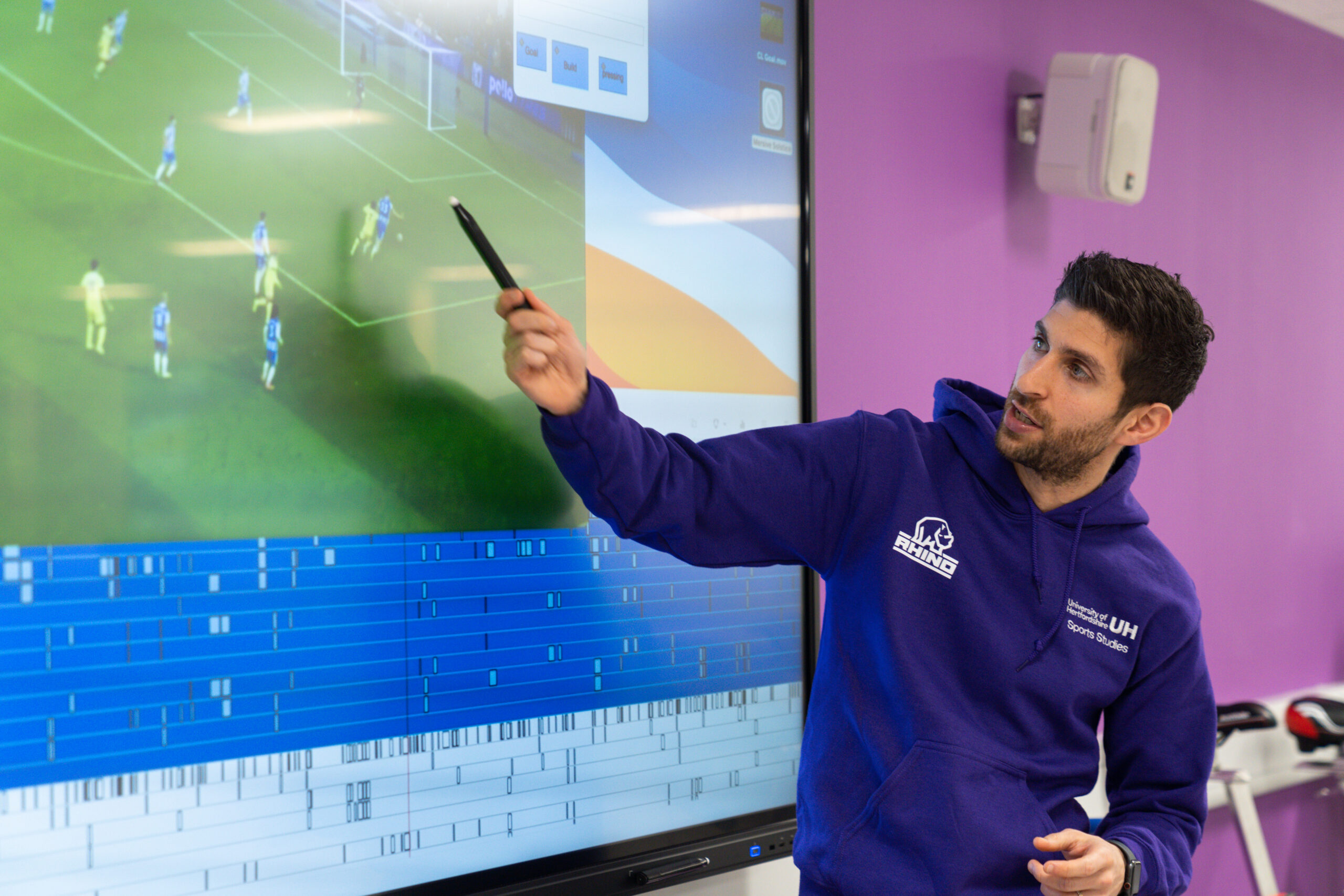
The United Kingdom offers one of the most competitive and culturally rich football environments in the world.
Now, through the AF Global Football Programme at the University of Hertfordshire, student-athletes can combine their passion for football with a globally respected academic degree.
Participants will:
-
Earn a UK undergraduate or postgraduate degree
-
Train 4–5 days per week in a performance football program
-
Compete in structured competitions
-
Develop within the professional football culture of England
-
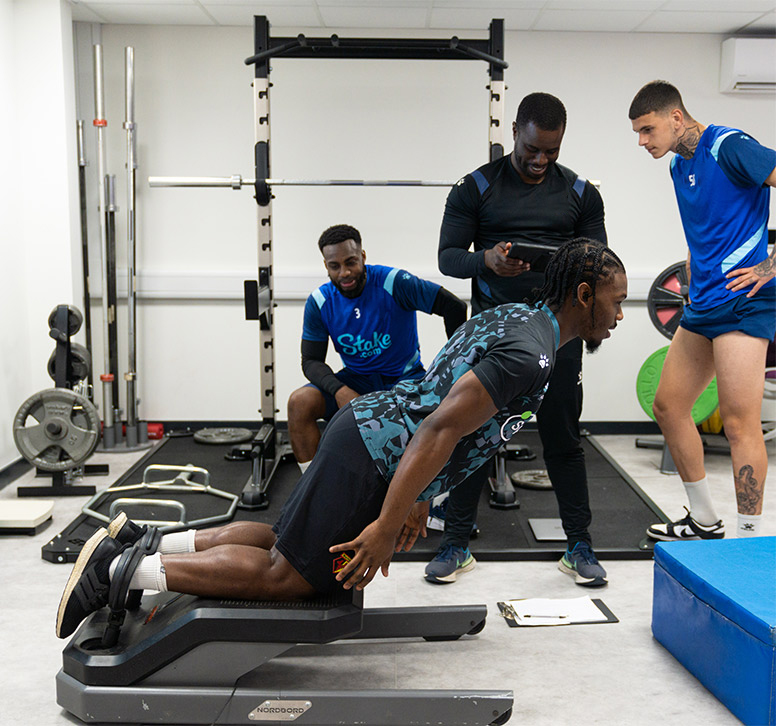
Gain access to strength & conditioning, analysis, and performance support
Students can choose from a range of programs including:
Applications can be submitted through the University of Hertfordshire international application portal.
Get Ahead. Go Abroad.
The average NCAA Division I men’s soccer player is 20–21 years old, and many have international or European playing experience.
With the IDA UK University pathway, players can begin their journey earlier.
Instead of competing as an 18-year-old freshman in the U.S., student-athletes can:
🎓 Earn a university degree in 3 years
⚽ Train in a professional football culture
💪 Develop physically, tactically, and mentally
Then return to the United States at 21 years old with:
✔ A completed undergraduate degree
✔ Greater maturity and development
✔ Two years of NCAA eligibility remaining for a Master’s degree
This pathway gives players a unique competitive advantage.
Why the UK Pathway is Growing
-
International experience
-
Professional academy training
-
Tactical intelligence developed abroad
The game is global.
Spending three years in the UK allows players to develop:
-
Faster decision-making
-
Tactical awareness
-
Professional discipline
-
Independence and resilience
You return not just older — but better prepared for the next level.

Two Pathways at IDA UK
1. University Degree + Football Pathway

-
Undergraduate degrees (3 years)
-
Postgraduate degrees
-
Performance football training
-
European match experience
This is the primary IDA UK offering moving forward.
The program launches for male players in the 2026/27 academic year, with a female program expected to launch in 2027/28.
2. IDA UK Gap Year (Reading Campus)

IDA will continue to offer its High-Performance Gap Year program in Reading for players seeking a shorter football-only experience.
-
Elite football training
-
Competitive matches
-
Exposure to U.S. college coaches
-
Professional development environments
The Gap Year is ideal for players focused exclusively on football development without an academic program.
A Smarter Pathway for Modern Players
The modern student-athlete needs more than just training.
They need education, experience, and opportunity.
The IDA UK partnership with AF Global and the University of Hertfordshire creates a pathway where players can:
✔ Earn a globally recognised degree
✔ Build international experience
✔ Prepare for careers in sport and beyond
This is football with a future.
Learn More
For Zao Axel Cheron, football always meant dreaming beyond the limits of his surroundings.
Growing up in Haiti, opportunities to play regularly were scarce. Despite his passion for the game, competitive matches were few and far between.
“I was only playing about three games a year in Haiti,” he recalls. “My parents and I thought it would be a good idea to go abroad and pursue my dream.”
At just 15 years old, Zao made a life-changing decision. He left home and traveled to Valencia, Spain, to join IDA — stepping into an environment built around daily development, international competition, and long-term football growth.
Three years later, that decision has opened a door he once never imagined: an opportunity to play college soccer in the United States at Mount Olive University in North Carolina, competing at the NCAA Division II level.
Discovering the Real Level
When Zao first arrived in Spain, the goal was simple: improve.
College soccer in the United States wasn’t something he had even considered.
“No, it was never something we thought about. We didn’t really know much about it.”
What he did discover, however, was the level of football that exists beyond his home country.
Training and competing in Spain quickly exposed him to a much deeper and more competitive global talent pool.
“The level in Spain made me realise there is much more talent in the world than I initially thought,” he says. “If I want to reach my goals, I have to work very hard.”
That realization became one of the defining moments of his development.
When One Year Became Three
Zao originally planned to spend one year at IDA Valencia.
But the progress he felt — both on and off the field — convinced him and his family to continue the journey.
“The plan was to stay one year, but after that first year I realised how much I developed as a player and as a person,” he says. “So we decided it was best to stay longer.”
Over the next three years, the academy environment helped shape his growth.
Daily training, higher expectations, and constant competition pushed him to improve technically — but the biggest transformation happened mentally.
“To be honest, I improved a lot technically, but mentally is where I developed the most.”
Learning to stay confident in difficult moments became part of that growth.
“Not being afraid to lose the ball, for example, or letting negative thoughts affect my game.”
A New Opportunity Emerges
As Zao continued progressing at IDA, a pathway he had never imagined began to appear.
College soccer in the United States.
After reviewing his highlight footage, the coaching staff at Mount Olive University saw potential and offered him the opportunity to join their program.
According to Zao, the opportunity includes a combination of athletic and academic support, allowing him to continue developing both as a player and as a student.
For someone who once didn’t even know this pathway existed, the moment represents a remarkable step forward.
Why Mount Olive
Choosing a university meant finding an environment where he could continue growing.
“I like the level, the weather, and the fact that it’s a Christian school,” he says.
At Mount Olive University, Zao will now experience a new football culture — one very different from the style he developed in Spain.
“I’m excited to see the difference between Spanish football and football in the U.S.”
A Journey Built on Commitment
Leaving Haiti at 15 required courage. Adapting to life and football in another country required discipline and resilience.
Looking back on his time in Spain, Zao recognizes how much the experience shaped him.
The challenges of adapting, competing, and growing far from home strengthened his mindset and confidence.
And those lessons will now travel with him to the next chapter of his career.
A Message to the Next Generation
For young players who dream of following a similar path, Zao offers a message about commitment.
“Your lack of commitment is an insult to people who believe in you,” he says. “When you feel lazy or unmotivated, think about the people who believe in you — your parents, siblings, friends — and try your best to make them proud.”
From Haiti to the NCAA
Three years ago, Zao Cheron left Haiti searching for a stronger football environment.
Through IDA Valencia, he discovered a higher level of the game, developed mentally and technically, and uncovered opportunities he never knew existed.
Now, his journey continues in the United States.
From Haiti, to Spain, to NCAA soccer, Zao’s story is proof that stepping outside your comfort zone can open doors far beyond what you once imagined.
And for him, the journey is just getting started.
Measuring Ourselves Against the Elite
The Hudl Wyscout International Cup provided IDA Valencia U16 with exactly what elite development demands — exposure to professional academies, high-intensity competition, and clear benchmarks for growth.
Facing Manchester United, FC Groningen, Girona FC, and Wycombe Wanderers, the tournament placed our players in one of the most demanding international environments available at youth level.
For Head Coach Luisma Muños, the experience delivered something more valuable than results alone.
“Overall, the experience was extremely valuable from a developmental perspective. We competed against professional academies and high-level international opposition, which allowed us to measure ourselves against the standard we aspire to reach.”
Manchester United – 1–0

IDA opened the tournament against Manchester United in a highly competitive and tactically demanding match. The team remained compact, disciplined, and emotionally controlled throughout.
A small detail in the final minutes determined the result, but the collective maturity and defensive organization stood out.
“We performed at a strong tactical and defensive level. The team remained organized and committed throughout. A small detail made the difference, but the effort and maturity shown were outstanding.”
FC Groningen – 4–0

Against one of the strongest sides in the competition, Groningen imposed a very high tempo from the opening whistle.
While the result reflected the physical and technical intensity of the opponent, the match provided valuable clarity about elite-level demands.
“They set an extremely high tempo from the start. This game gave us very clear insight into the physical and technical standards required at the highest level.”
Girona FC – 3–0
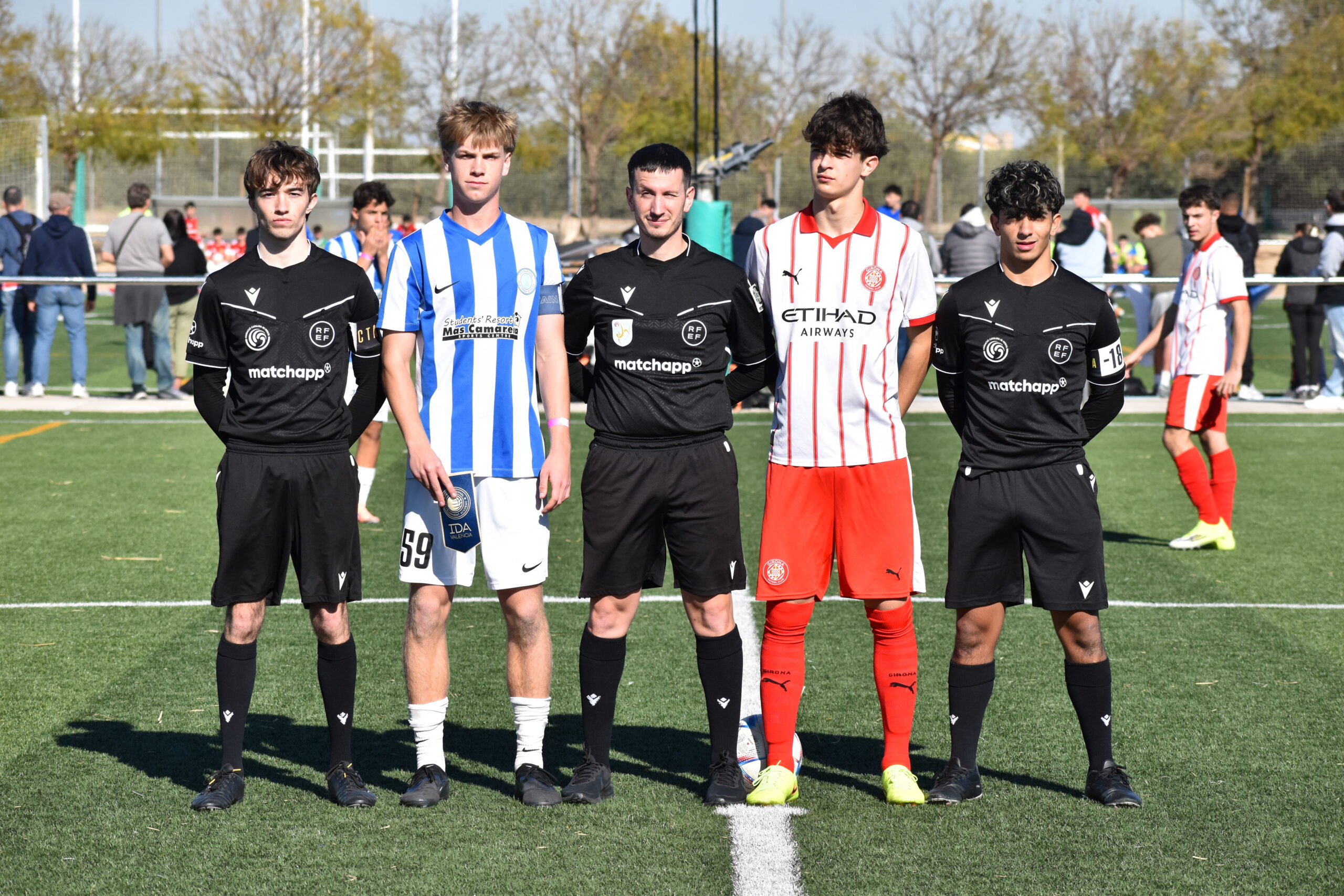
A competitive first half ended 0–0, with IDA showing personality and defensive solidity. The team managed moments well and created opportunities.
The opponent’s increased tempo in the second half proved decisive, but the performance reinforced the team’s ability to compete at a high level.
“The first half showed we can compete when we maintain concentration and discipline. That was one of the most defining moments of the tournament.”
Wycombe Wanderers – 1–0
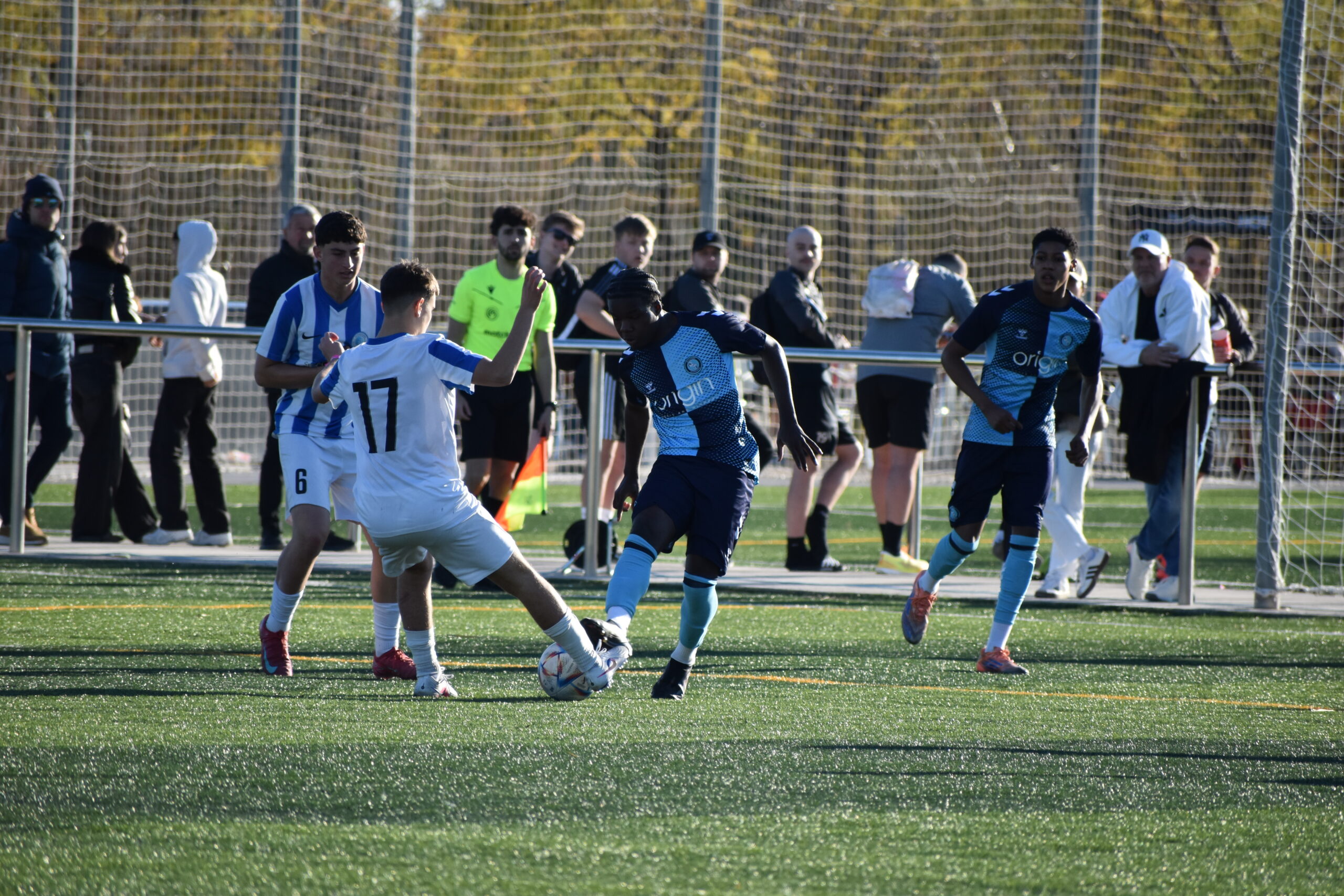
The final group match was tightly contested and balanced. An isolated mistake separated the teams.
IDA created clear chances but lacked efficiency in front of goal. The structure, however, remained consistent.
“We created clear chances but lacked efficiency in decisive moments. The team maintained structure and emotional control throughout.”
Throughout the tournament, IDA Valencia demonstrated strong organization, compact defensive lines, and coordinated shifting — hallmarks of the program’s identity.
One of the most encouraging elements was the players’ tactical flexibility and intelligence.
“From a tactical standpoint, the team displayed strong organization and defensive structure. The players showed the ability to maintain or adjust formation depending on match demands, demonstrating tactical intelligence.”
Competing against international academies increased the cognitive demands of each match — forcing quicker decisions, faster adaptation, and stronger game management.
“Facing different styles and tempos strengthened their tactical understanding and adaptability. That’s where real growth happens.”
Collective Growth Over Individual Spotlight
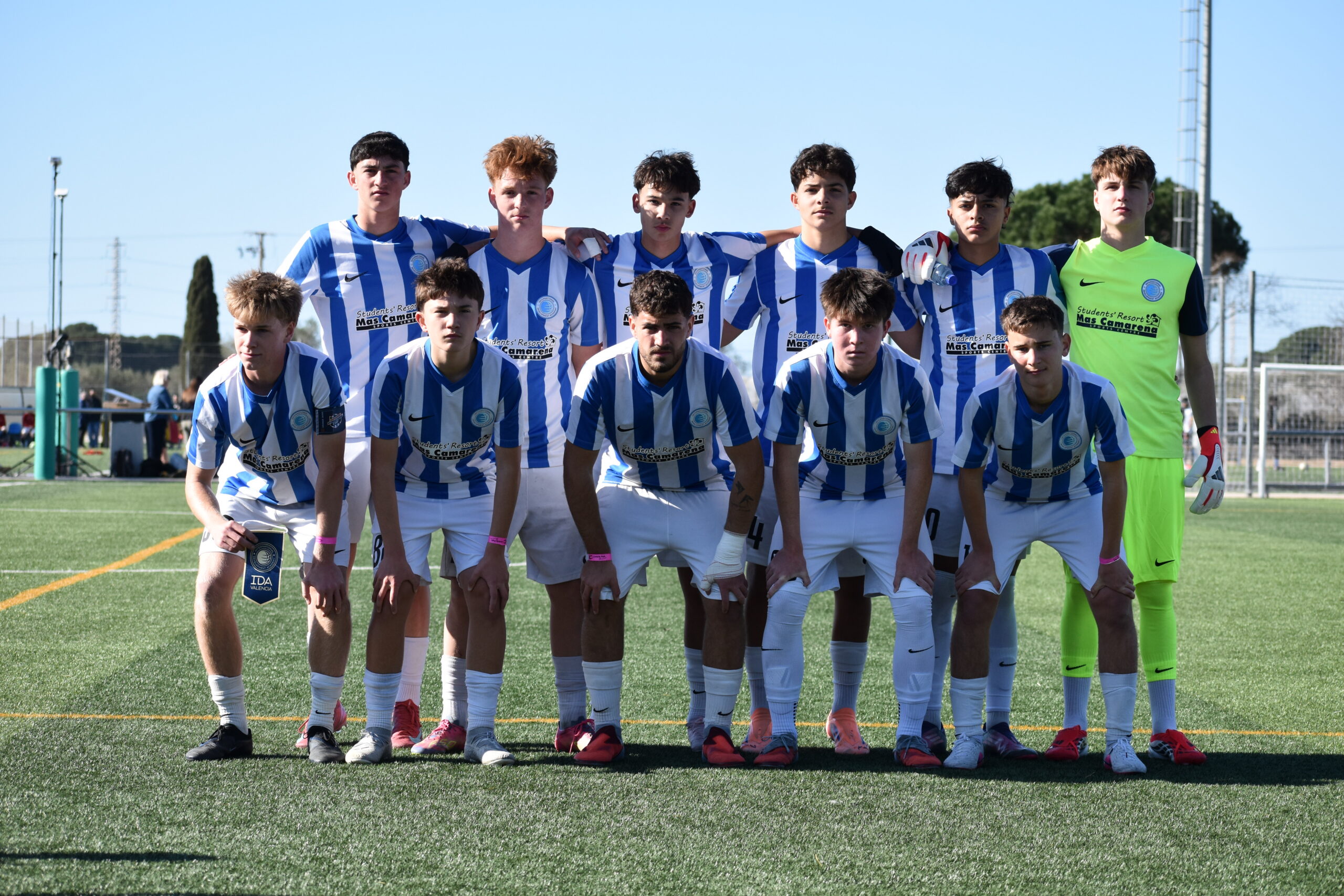
Rather than highlighting individual performances, Coach Luisma emphasized unity and mentality.
“What stood out most was the group’s unity, work rate, and commitment to the game plan.”
The players handled extended defensive phases, high pressing, and difficult match scenarios with composure and maturity.
Minute management was carefully structured to maintain intensity while protecting physical load, allowing performance standards to remain consistent across all four matches.
The tournament provided clarity.
Clarity about the intensity required.
Clarity about precision in decisive moments.
Clarity about sustaining performance across all phases of play.
“The most valuable lesson is understanding the level required to compete consistently at the highest standard. We now have concrete benchmarks to guide our development.”
For IDA, this is the purpose of elite competition — not comfort, but exposure.
Not easy wins, but meaningful challenges.
Beyond results, the team represented the IDA identity with professionalism and pride, laying a foundation for continued progression this season.
“This event aligns perfectly with IDA’s mission — exposing players to elite environments that accelerate both sporting and personal growth.”
For many players in the United States, the pathway to a college soccer scholarship follows a familiar route — club soccer, showcases, and recruitment events. But for some, standing out means taking a different approach. Increasingly, players are choosing to train abroad in academies in Europe to accelerate their development and open new opportunities.
For Max Wetzel, that decision meant leaving Denver, Colorado, and moving to Valencia, Spain to join the IDA Valencia residency programme. In a new environment focused on daily development, high-level competition, and international exposure, he took a significant step forward in his journey.
That experience has now led him to Newman University, where he will compete at the NCAA Division II level.
Max grew up playing in the United States, following a traditional development pathway. But as he approached his next step, he began to think differently about what he needed to progress.
“I started thinking about college earlier this year after hearing about my friend’s experience,” he explains. “I felt like it was the best next step for me.”
“I wanted to go to one of the biggest countries in the world for soccer and experience a different level of the game.”
Moving to Valencia was not just about improving as a player — it was about growth.
“I think coming to Spain helped me push myself. It took me out of my comfort zone and helped me become a more open person.”
At IDA Valencia, players live, train, and compete in an international environment, surrounded by teammates from different countries and backgrounds.
“You’re exposed to different people, different ways of thinking, and a different style of soccer. It helps you grow in ways you wouldn’t expect.”
Learning Through a Different Game
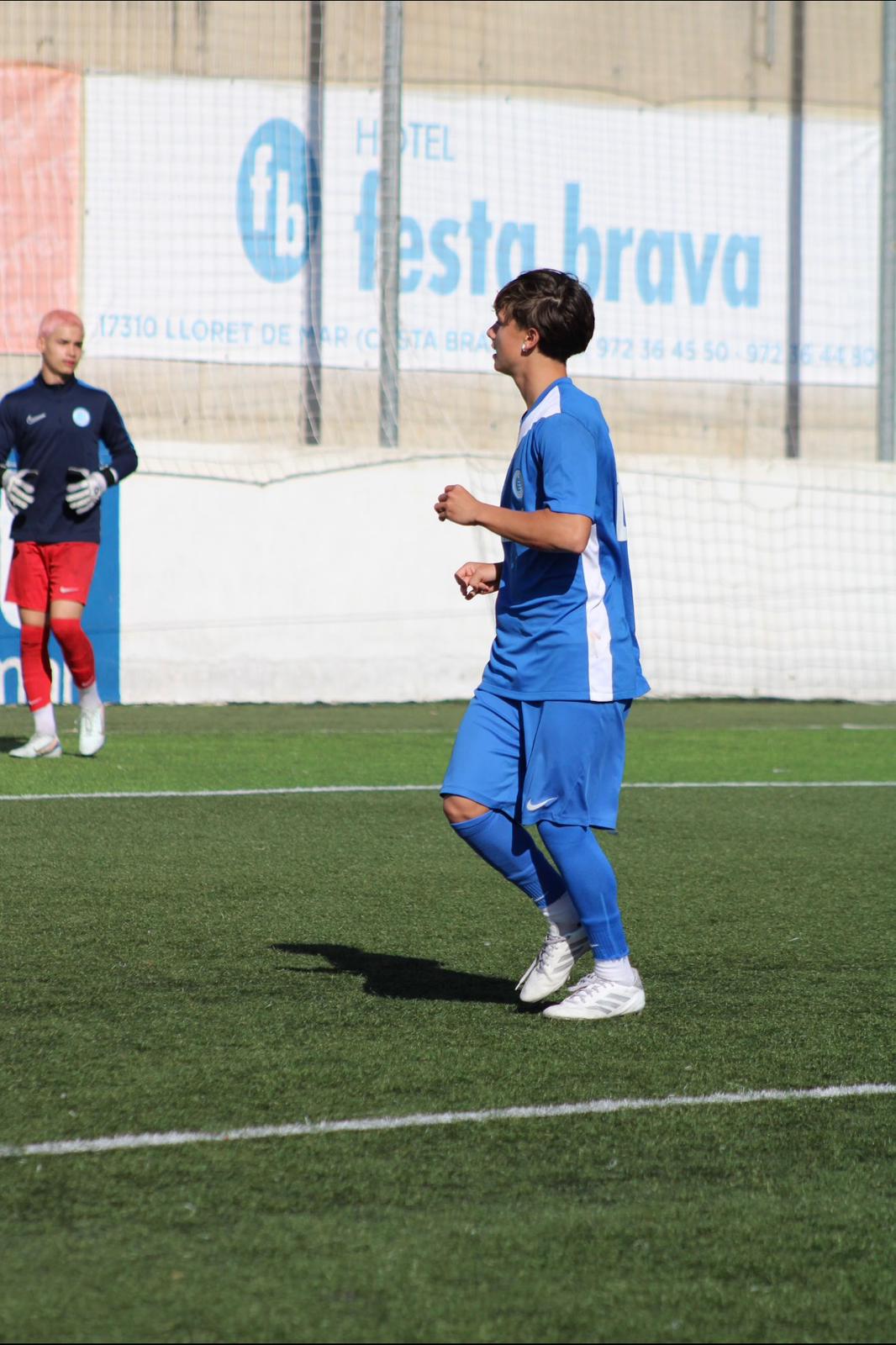
One of the biggest differences Max experienced was the level and style of play in Spain.
“Playing in Spain made me realise there are new levels to the game.”
Facing technical, fast-paced opposition on a weekly basis forced him to adapt and develop new aspects of his game.
“I had to look at myself and find new ways to improve so I could compete.”
This exposure to a different football culture is a key part of development.
“These challenges push you to become a better player, not just for yourself but for your teammates as well.”
At IDA Valencia, development is built around consistency and structure.
“Training every day made me smarter, stronger, faster,” Max says. “It helped me develop quicker.”
This kind of environment mirrors the demands of the professional game and helps players raise their standards.
“You have to stay focused every day. It makes you think faster and stay sharp.”
For players aiming to progress, that daily exposure makes a significant difference.
Alongside his development in Valencia, Max worked toward his goal of earning a college soccer scholarship.
Through IDA, he received support both academically and athletically, helping him stand out to college coaches.
“IDA helped me with both my academics and soccer so I could stand out to colleges,” he explains. “They helped me get to a very good school.”
That next step will take him to Newman University, where he will compete at the NCAA Division II level.
“It’s a great school with a strong soccer program. From the first time I saw them play, I liked their style — they play good soccer and win games.”
Just as important was the environment.
“I want to be somewhere that pushes me every day and also gives me a good education.”
Transitioning to college soccer brings new physical and mental demands.
Max feels that his time in Spain has prepared him well.
“I know it will be more physical, but I feel Spain has prepared me technically to compete.”
At the same time, he understands that development is ongoing.
“I think I will be challenged mentally as well. There will be difficult moments, but that’s part of improving as a player and as a person.”
Living in Valencia gave Max experiences that extend beyond soccer.
“Being away from my family helped me mature and understand who I want to be as a person.”
Adapting to a new culture, learning a new language, and connecting with people from around the world all contributed to that growth.
“It was really interesting to experience a different culture. I also learned Spanish and met people with completely different backgrounds.”
Looking back, he is clear on the impact of his decision.
“I know I wouldn’t be in the same position if I didn’t come to IDA. I wouldn’t be the person I am today.”
As he prepares to begin his college career in the United States, Max is focused on making the most of the opportunity.
“I want to start, contribute to the team, and earn my degree.”
Like many players, he sees this as part of a longer journey.
“I want to keep improving, take on new challenges, and see where it can take me.”
For players considering a similar pathway, Max’s advice is simple.
“I would definitely recommend taking an international pathway.”
The experience, he believes, goes far beyond soccer.
“I’ve met some of my best friends and played with some very talented players. It pushes you to be better.”
For parents, the decision to send a player abroad can be difficult.
But Max offers reassurance.
“Your child will be fine. The coaches and players will welcome them, and they will benefit from the experience more than you think.”
Max’s journey shows how an international experience at a soccer academy in Spain can provide more than just training.
It offers:
For those willing to step outside their comfort zone, it can be a defining experience — and, in Max’s case, a pathway to the next level.
At 18, most players are trying to understand what their next step looks like.
Some stay close to home.
Some follow traditional pathways.
Others choose to step into something unfamiliar — an environment that challenges them both as players and as people.
For Gavin Dick, that meant leaving Scotland and moving to Spain to join the IDA Valencia residency programme.
Less than a year later, that decision has led him to a NCAA Division I scholarship at East Tennessee State University.
Building Around the Game
“My dad and grandad both played professionally, so it was always around me,” he explains. “From a young age, I knew that’s what I wanted to do.”
“I wanted to keep progressing, but I wasn’t sure exactly which path to take.”
Choosing an Environment, Not Just a Team
“After just a week, I knew it was the right place for me,” he says. “The way everything is structured day to day, the training, the schedule — it’s a serious environment.”
“We train every day, on the pitch and in the gym. It’s similar to what professionals do.”
“You have the opportunity to improve every day, but it’s up to you how much you take from it. If you put everything in, you will improve.”
“The people here make a big difference. Coaches, staff, everyone — they support you, and that helps you settle and focus on your football.”
Developing Through Real Competition
Training is only part of the process. Development also comes from being tested.
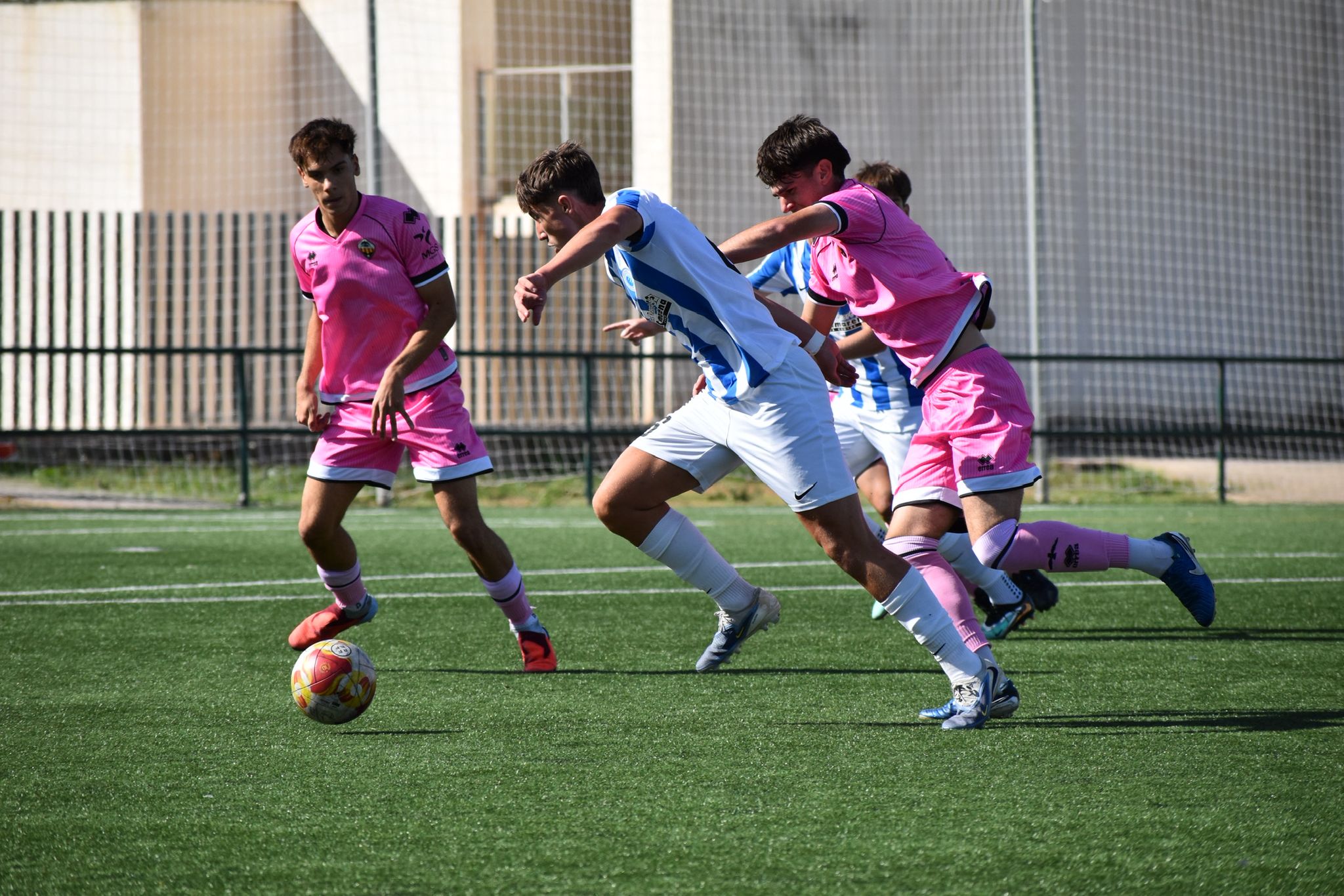
“These are some of the best players at my age. It shows you exactly where you need to be.”
“You start to understand the level, the speed of the game, the physical side — and what you need to improve.”
“I felt like I could compete at that level. It’s about being consistent and taking your opportunities.”
Growth Beyond Football
Moving to a new country at 18 brings challenges that go far beyond football.
New language.
New culture.
New routines.
For Gavin, that was part of the appeal.
“I didn’t want to stay in the same place my whole life. I wanted to experience something different.”
“You learn how to deal with things yourself. It helps you grow up.”
“You meet people you probably wouldn’t meet otherwise. Different cultures, different personalities — it opens your perspective.”
“It’s not just about improving on the pitch. It’s everything around it as well.”
Learning Through Challenges
For Gavin, one of the biggest challenges came early, when an ankle injury kept him out for over a month after a strong pre-season.
“It was frustrating because I felt like I was building momentum.”
But they also become part of the development process.
“The support around me made a big difference. The staff helped me stay focused on recovery and getting back to where I was.”
“It’s part of football. You have to deal with it and move forward.”
A Pathway With Options
While continuing his development in Spain, Gavin began to explore opportunities in U.S. college soccer — something he hadn’t fully considered before.
“Before coming here, I didn’t realise how strong that pathway could be.”
Through IDA, he was able to access:
• Direct contact with college coaches
• Showcase matches in front of recruiters
• Support in building his player profile and highlight video
• Ongoing guidance throughout the recruitment process
“They gave me the resources and contacts I needed, which made the process much clearer.”
“Georgios — IDA Valencia’s general manager — helped me a lot. He encouraged me to explore the option and supported me throughout.”
Taking the Next Step
“It’s a high level, which is what I was looking for. The facilities are excellent and the programme is very professional.”
“Coach Allen has been very clear and positive. It gave me confidence that it’s the right place for me.”
Preparing for What’s Next

“Mentally, I feel prepared. Now it’s about making sure I arrive in the best physical condition possible.”
“Completing my studies is important as well. It gives you options for the future.”
More Than a Football Experience
“It’s changed the way I see things.”
“You grow as a player, but also as a person. You become more independent, more confident, and more open.”
A Message to Other Players
“Go for it.”
“It might feel like a big step, but it’s worth it. It’s helped me a lot, both on and off the pitch.”
What they do with it is up to them.
“There are different routes into football. Whether it’s college in the U.S. or opportunities in Europe, you just have to take your chance and give it everything.”
Final Thought
Gavin’s journey — from Scotland to Spain, and now to NCAA Division I — is the result of a series of decisions.
To step into a new environment.
To commit to daily development.
To embrace challenges on and off the pitch.
At IDA Valencia, those opportunities exist every day.
For players willing to take them, they can lead anywhere.