
Sebastien Blanchet’s original plan in Spain lasted two weeks.
At 18, the Canadian right back can now look back on nearly three years connected to IDA Valencia, a progression through its U19 environment, and a move into Spanish club football with CD Acero.
The turning point wasn’t an immediate breakthrough or a single standout performance. It was realizing, during that first short stay, how much room he still had to grow.
“I wanted to try and become a better player, so I thought I would try IDA out for two weeks,” Sebastien recalls. “Those two weeks showed me that I still had lots to improve and that the level here in Spain was much better than in Canada.”
Instead of discouraging him, that realization changed the plan.
“We thought it’d be best for my future as a footballer to go back to IDA for longer to improve.”
Choosing to Stay
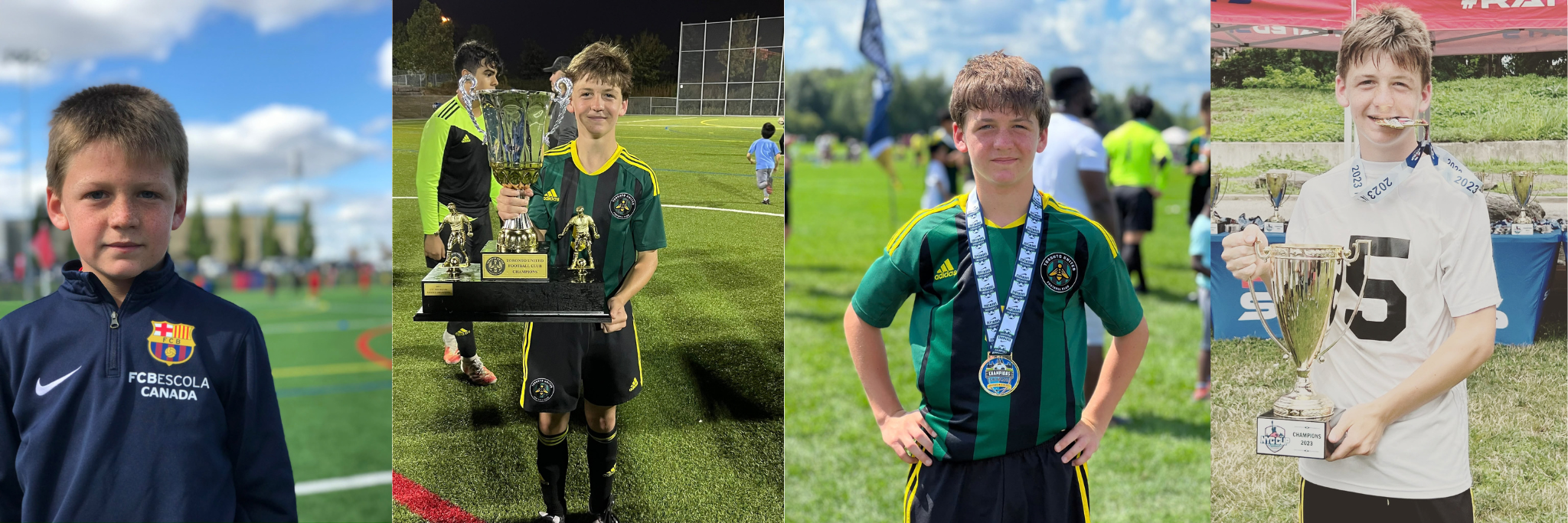
Originally from Uxbridge, Ontario, Sebastien had been playing football since he was around five years old. After trying “every sport possible,” football became the one he stuck with, eventually taking him through several clubs in Canada.
An affiliation between his club and IDA opened the door to his first experience in Spain. What was initially a two-week opportunity soon became a much bigger decision.
For Sebastien’s father, Mario, the first trip was also a test of something beyond football: how his son would handle being away from his family and navigating life in another country.
“I saw it as an opportunity for him to develop his soccer skills and grow his confidence both on the field and socially,” he says.
When the possibility of returning came up, there wasn’t much convincing required.
“When I asked Sebastien if he’d like to go to IDA first for a half year and then for a full year, he didn’t hesitate for one second to say yes. That for me was a sign that he was committed.”
Learning the Spanish Game
Staying meant accepting the gap Sebastien had identified during those first two weeks and working to close it.
Through different stages of IDA’s U19 environment, he trained consistently, competed against Spanish opposition, developed physically, and became increasingly familiar with the rhythm and demands of football in Spain.
Today, the differences he notices aren’t necessarily the most visible ones.
“My understanding of the game has increased, as well as my confidence,” Sebastien says. “I’m also stronger and more coordinated.”
The IDA environment also gave him experience within a structure that, he says, helped make his eventual transition into Spanish club football more familiar.
“I think the teams we play and the ways we train are very much like we’re our own club team, so I think that helped me prepare for what I was getting into.”
His father describes the development as gradual rather than linear.
“He’s had his ups and downs just like any athlete, but he gets right back at it and keeps going,” he says. “The consistency of the workout and practice schedule is one of the big things that’s helped to continually move Sebastien forward.”
That consistency would become important when his next opportunity arrived.
From IDA to CD Acero
Sebastien initially signed with CD Acero during the second half of last season, although licensing issues meant he was unable to compete.
The opportunity didn’t disappear.
This season, he returned to Acero, with coach Pina wanting him back with the club. For Sebastien, it meant another chance to test the development of the previous seasons in a competitive Spanish club environment.
“The process of joining them was a little difficult just because I’m from a different country, but the people and players at the club made me feel welcome, and overall it’s been a good experience so far.”
The step has also introduced new demands. Sebastien points particularly to the speed of play and the endurance required at Lliga Comunitat level – areas where he believes his preparation at IDA has made the transition easier.
“IDA has helped a lot with their gym sessions, and also being able to play games against a bunch of Spanish teams of different levels has helped me prepare to play.”
But perhaps the clearest measure of his progress isn’t where he’s playing. It’s how different the opportunity feels compared with what he thought was possible when he arrived.
“Signing for a Spanish club meant that I had surpassed any expectations of what I had for myself,” he says. “The me that first arrived here at IDA would’ve never thought that I could be playing at this level, and I have to thank IDA for really helping me develop to be able to play at this level.”
More Than the Player Who Arrived
The decision to stay in Spain also required Sebastien to grow outside football.
Nearly three years of living in another country, experiencing a different culture and sharing an environment with players from around the world have changed his perspective in ways he believes will remain relevant regardless of where football takes him.
“I think that I’m more cultured as a person and I understand how more of the world works and lives,” he says. “I think that will help me in the future with whatever I end up doing.”
His father sees that broader development as an important part of what the family gained from choosing IDA.
“Looking back from day one to where we are today has been an incredible journey,” he says. “The coaching staff and guys like Georgios always push him whether he’s in a slump or he’s just cruising along.”
“Regardless of what his next steps are, we will forever be grateful for what IDA has done for him both on and off the field.”
No Two-Week Plan This Time
Sebastien doesn’t have the next three years mapped out.
For now, his focus at CD Acero is much more immediate: earn consistent minutes, perform when given the opportunity, and see where the season takes him.
“I honestly don’t know what the next step is in terms of my longer-term ambitions,” he admits. “It really depends on what happens this season.”
There’s something fitting about that uncertainty.
His entire journey in Spain started with two weeks and no guarantee of what would come after them. Those two weeks became months, the months became seasons, and the player who arrived wanting to find out how much he needed to improve is now testing that development within Spanish club football.
If Sebastien could go back and tell that younger version of himself one thing, it wouldn’t be where he’d eventually end up.
It would be to believe that he could get there.
“Always be confident and believe in what you can do, because at times I didn’t believe in myself. The most important part is to always believe in yourself and in your dreams.”
IDA Valencia player Odkhuu Soyol recently took his development to the international stage, representing Mongolia at the AFC U20 Asian Cup 2027 Qualifiers and contributing three assists across two victories.
Soyol featured in both matches as Mongolia defeated the Northern Mariana Islands 7–0 and Guam 3–0, completing the qualifiers with two wins, 10 goals scored, and none conceded.
Now entering his third season at IDA Valencia, the experience represented another important milestone in a journey that has taken Soyol from Mongolia to Spain in pursuit of a higher level of football – and, ultimately, his goal of reaching the professional game.
From Mongolia to IDA Valencia
Growing up in Mongolia, Soyol developed a passion for football from an early age.
“I started playing football when I was young, and I quickly became really passionate about it,” he says. “As I got older, I wanted to take it more seriously and see how far I could go.”
Taking that ambition to the next level eventually meant stepping outside of his comfort zone.
“I wanted to challenge myself and continue developing at a higher level,” Soyol explains. “My president at my old club introduced me to IDA Valencia, and that’s how I got the opportunity to come to Spain and start my journey here.”
At IDA, he found an environment that combined the demands of Spanish football with the experience of training alongside players from around the world.
“I liked the level of training and the environment. Being around players from different countries also pushed me to improve every day.”
Three Seasons of Development
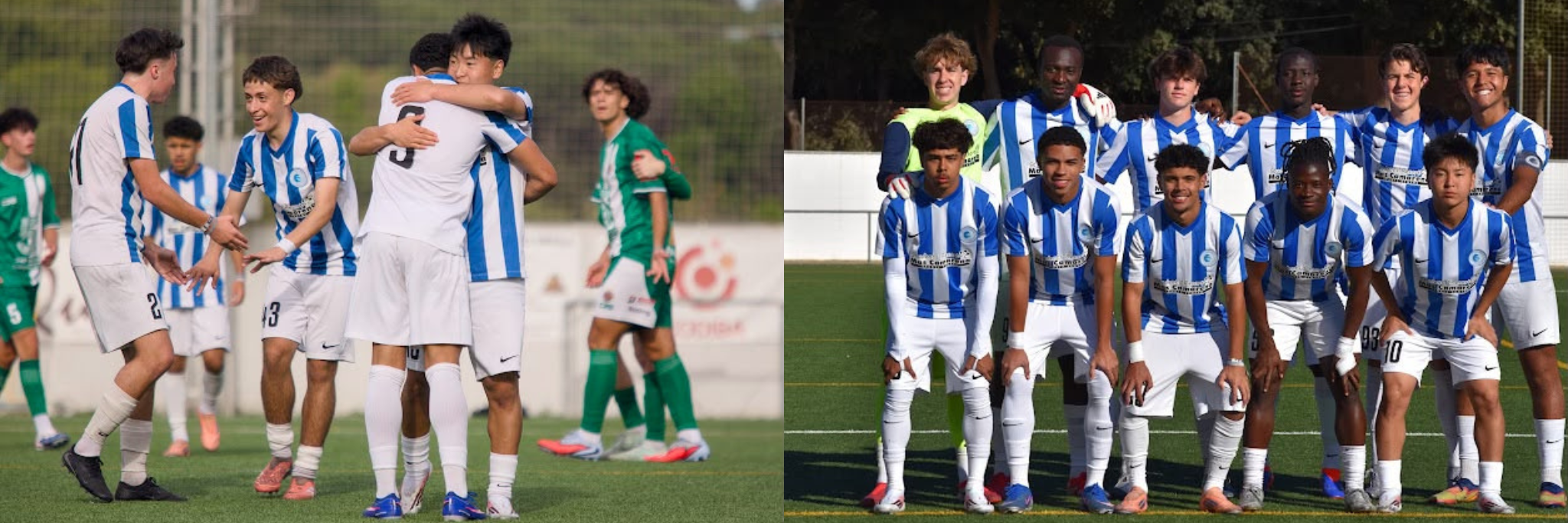
As Soyol prepares for his third season at IDA Valencia, the difference between the player who first arrived in Spain and the one representing Mongolia today goes beyond physical or technical development.
For him, one of the most important changes has been how he sees the game.
“I think my biggest improvement has been my understanding of the game. I’ve also become more confident, stronger, and better at making decisions.”
That development is evident in specific areas of his game.
“I read the game much better now and make decisions quicker. I also understand my positioning and movement much better.”
Training and competing in Spain has exposed Soyol to a faster and more demanding football environment, challenging him to process situations more quickly and become increasingly comfortable under pressure. Those lessons have become part of the player he is today.
But his development at IDA hasn’t been limited to what happens on the pitch.
Moving thousands of miles from Mongolia to Spain required Soyol to adapt to a new country, culture, and daily routine while pursuing his football ambitions.
“It’s made me more independent and responsible,” he says. “Living away from my family has taught me how to adapt and take care of myself.”
For an international student-athlete, that support system can be just as important as the football environment itself.
“The coaching staff and my teammates have all had a big influence on me. They’ve helped me improve every day, both on and off the pitch. Georgios has also helped me a lot with everything since I arrived, and I’m really grateful for that.”
Representing Mongolia at U20 Level
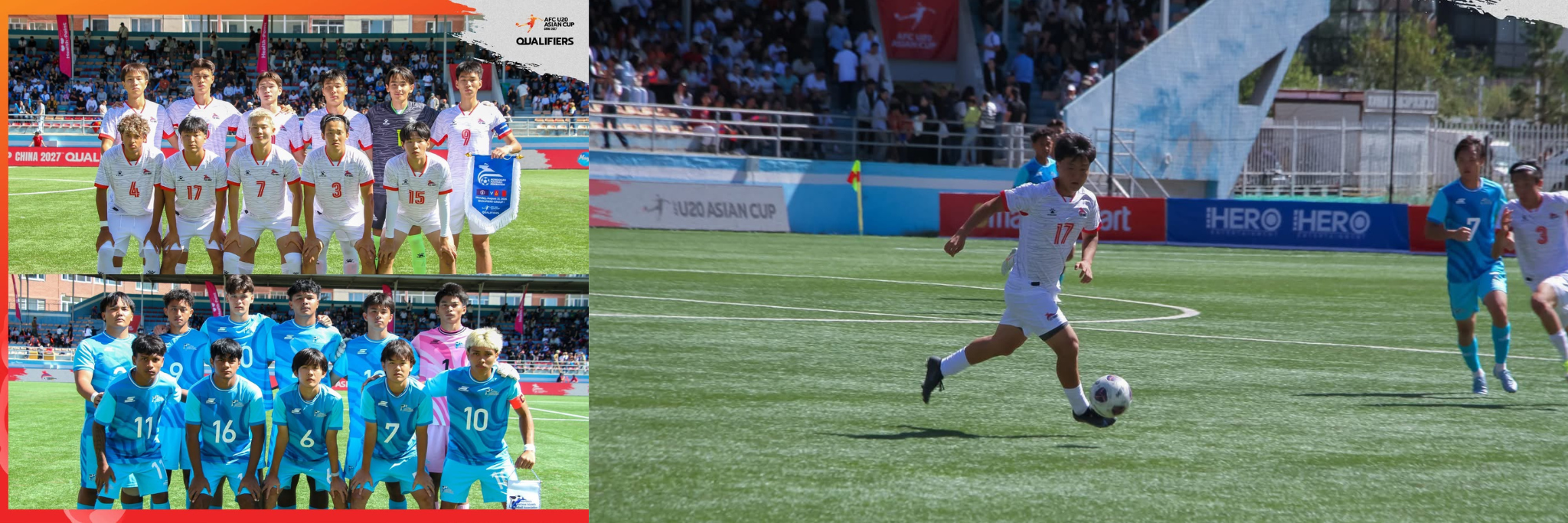
The progress made during his time in Spain was put to the test when Soyol joined Mongolia for the AFC U20 Asian Cup 2027 Qualifiers.
“Representing Mongolia at the AFC U20 Asian Cup 2027 Qualifiers was a very valuable experience for me,” Soyol says. “I played in both matches against the Northern Mariana Islands and Guam, where Mongolia achieved convincing victories of 7–0 and 3–0 respectively.”
Soyol contributed directly to those results, registering three assists across the two matches.
“Finishing the qualifiers with two wins, 10 goals scored and no goals conceded was a great achievement for the team,” he says. “Playing at U20 international level gave me valuable experience and helped me develop both technically and mentally as a player. I’m very proud to have represented my country and grateful for the opportunity to compete at this level.”
For Soyol, the experience also highlighted how his time at IDA and in Spanish football has prepared him for the demands of international competition.
“Playing in Spain helped me get used to a faster and more intense style of football,” he explains. “It also gave me more confidence and helped me make quicker decisions.”
The difference was something he could feel himself when he stepped onto the field for Mongolia.
“Just being able to play at that level made me realize how much I’ve improved. I felt much more confident compared to when I first came to Spain.”
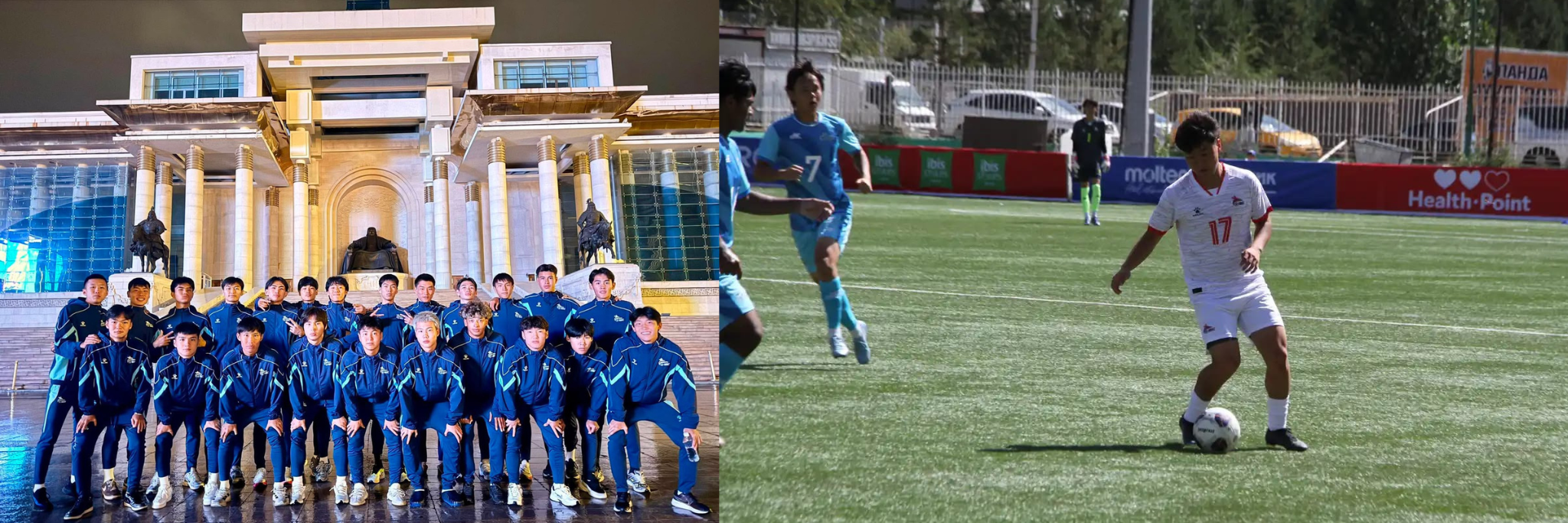
And beyond the development milestone, wearing his country’s colors carried a significance of its own.
“It meant a lot to me. Representing Mongolia is something I’m really proud of, and playing at that level was a great experience.”
The Next Step

With two seasons of development in Spain behind him and another international experience added to his journey, Soyol enters his third year at IDA focused on continuing that progression.
“I want to keep improving, become a more complete player, and continue moving toward professional football,” he says. “That’s my main goal.”
His journey from Mongolia to Valencia is still being written, but the progress already made reflects what can happen when an ambitious young player embraces a new environment, higher demands, and the challenge of developing both on and off the pitch.
For other international players considering taking that same step, Soyol’s advice comes directly from his own experience:
“Be ready to work hard and step outside your comfort zone. It can be difficult at first, but you learn a lot and grow both as a player and as a person.”
For two days in Haiti, the focus wasn’t on finding the next player. It was on developing the people responsible for developing them.
As part of its partnership with the Ligue des Jeunes d’Haïti and TapIn, International Development Academy recently delivered a two-day Coaching Education Program for 64 coaches in Haiti, providing practical tools they can apply in their own environments – from planning training sessions and understanding player development to tactical observation and performance analysis.
Led by IDA Academy Director Vicente Bosch and coach and performance analyst Luis Jorge, the program combined classroom education with practical sessions on the field.
But behind the two-day course sits a much bigger ambition: creating stronger pathways for young Haitian players by investing in the coaches who work with them every day.
A Football Nation with an Opportunity to Develop
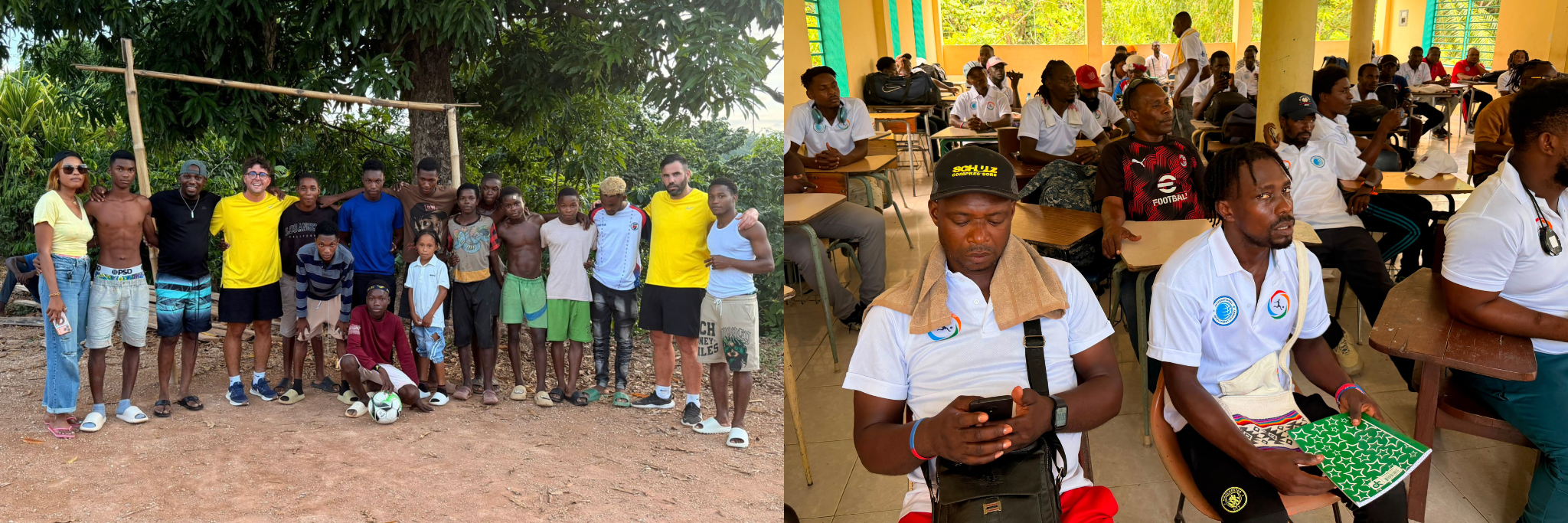
Football is deeply embedded in everyday life in Haiti. According to Ligue des Jeunes d’Haïti founder Pedro, participation among young people is enormous, but access to trained coaches, facilities, equipment and technology remains limited.
For Pedro, that gap between passion and infrastructure was one of the driving forces behind creating the program.
Many young Haitian players grow up playing on dirt fields with limited resources, he explained, while the coaches responsible for their development often have little or no access to formal coaching education.
His long-term ambition goes far beyond improving individual training sessions.
Pedro hopes investment at the grassroots level can eventually help create more opportunities for players developed entirely within Haiti to progress through the pathway and represent their country at the highest level.
“My dream is to one day see most of the players from the national team be players that are born and raised in Haiti,” he said.
That starts, he believes, by giving the people developing those players better tools.
Putting Player Development at the Center
Throughout the course, Bosch and Jorge focused on concepts that could translate directly into the coaches’ everyday environments.
For Bosch, the objective was to provide a framework rather than simply prescribe exercises.
“I wanted to open up new horizons for them – giving them practical tools to properly analyze players and design structured training sessions that truly put the player’s development at the center,” he said.
Jorge echoed that player-first approach.
“The most important thing is to focus on the player and his individual development,” he explained. “From there, we shared our approach to planning a microcycle and how we structure a session based on a progression of exercises.”
The sessions covered areas including training preparation and structure, player responsibilities, recovery, physical preparation, tactical concepts and understanding individual strengths and weaknesses.
And the learning wasn’t confined to a classroom.
Game footage became a starting point for discussion between the IDA staff and participating coaches, allowing both sides to analyze situations, exchange perspectives and explore how the same football concepts could be applied within different environments.
For Jorge, those conversations were one of the highlights of the program.
“We shared several game clips that we found interesting to discuss with the Haitian coaches, allowing us to exchange different perspectives and explore how to work on those moments in various contexts and according to their specific needs.”
Coaching Goes Beyond Technology
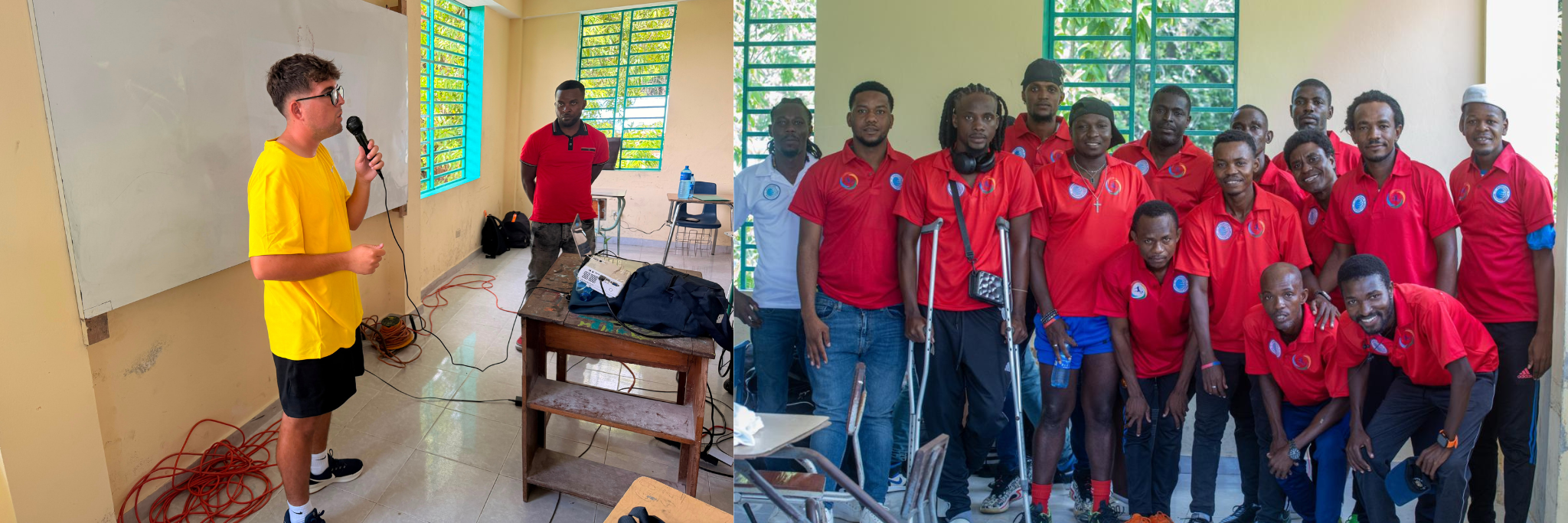
One reality shaped many of those conversations: coaches in Haiti do not necessarily have access to the infrastructure and technology commonly associated with performance analysis in professional environments.
But effective analysis doesn’t have to begin with sophisticated equipment.
“Technology is a tool that facilitates performance analysis, but it isn’t essential,” Jorge said.
Instead, coaches can determine specific elements they want staff members to observe during a match, take notes and use those observations to make corrections.
“It’s not necessary to analyze everything,” he added. “Just the key aspects and what we’ve been working on.”
It is a simple distinction, but an important one: development doesn’t have to wait for perfect conditions.
Bosch saw the same willingness to translate new concepts into the resources already available.
“Their thirst for practical knowledge really stood out,” he said. “They asked very specific, insightful questions about physical preparation and tactical concepts, always focusing on how they could immediately adapt and apply those methods to their own teams.”
Pedro noticed it too.
Despite knowing they would receive the course materials digitally afterwards, he recalled coaches taking notes throughout the classroom sessions and remaining deeply engaged.
“You could see they want to learn. They want to be better,” he said.
Giving Back – and Learning in Return
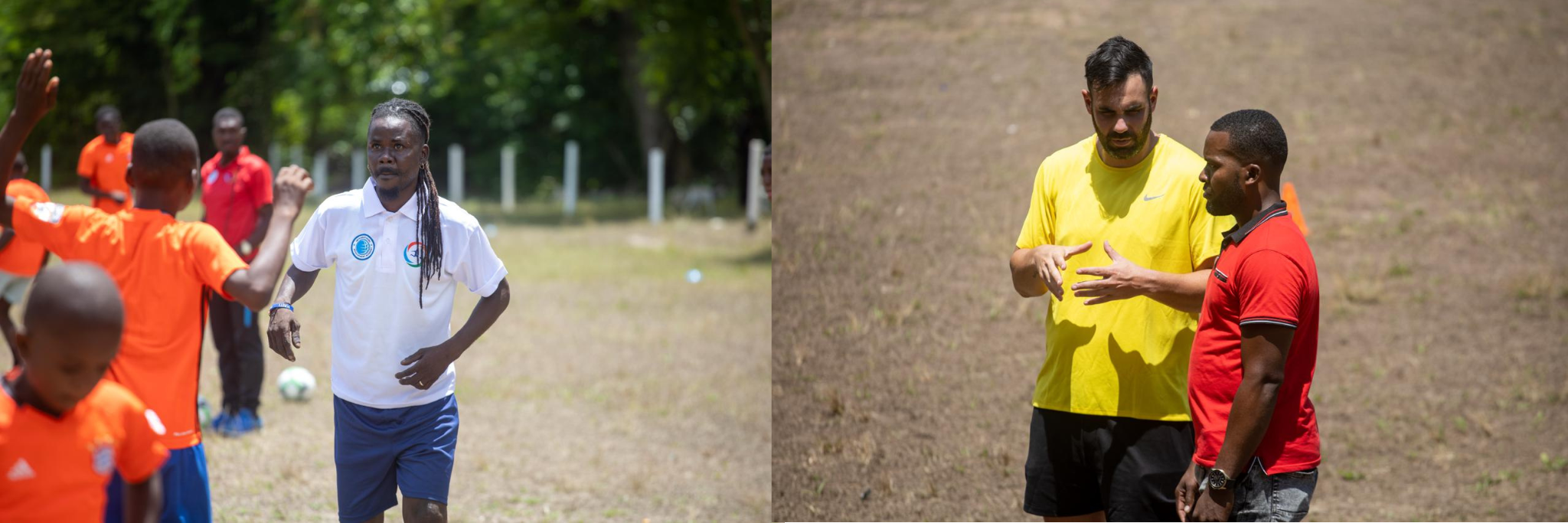
For IDA, the Haiti Project also represents something larger than a single coaching course.
“First and foremost, it’s about giving back,” Bosch said. “Visiting a country like Haiti – where resources are limited and the path isn’t easy – allows us to use our methodology as a force for good. Sharing IDA’s expertise helps elevate the local football community from the roots up.”
But the exchange was never intended to move in only one direction.
Days after returning, Jorge said the experience had reinforced an important principle in his own coaching: methodology has to respond to its environment.
“You realize how important it is to adapt to the context,” he said. “It’s very important to make the most of all the resources we have and to know how to help players observe, understand the game, and improve.”
For Bosch, the biggest takeaway was even more personal.
“It was a deeply humbling experience,” he said. “Seeing their immense passion for the game – coaching purely out of love for football despite having virtually no resources – reminded me of the true essence of coaching. It made me appreciate what we have and brought home a huge personal lesson.”
Two Days – and a Starting Point
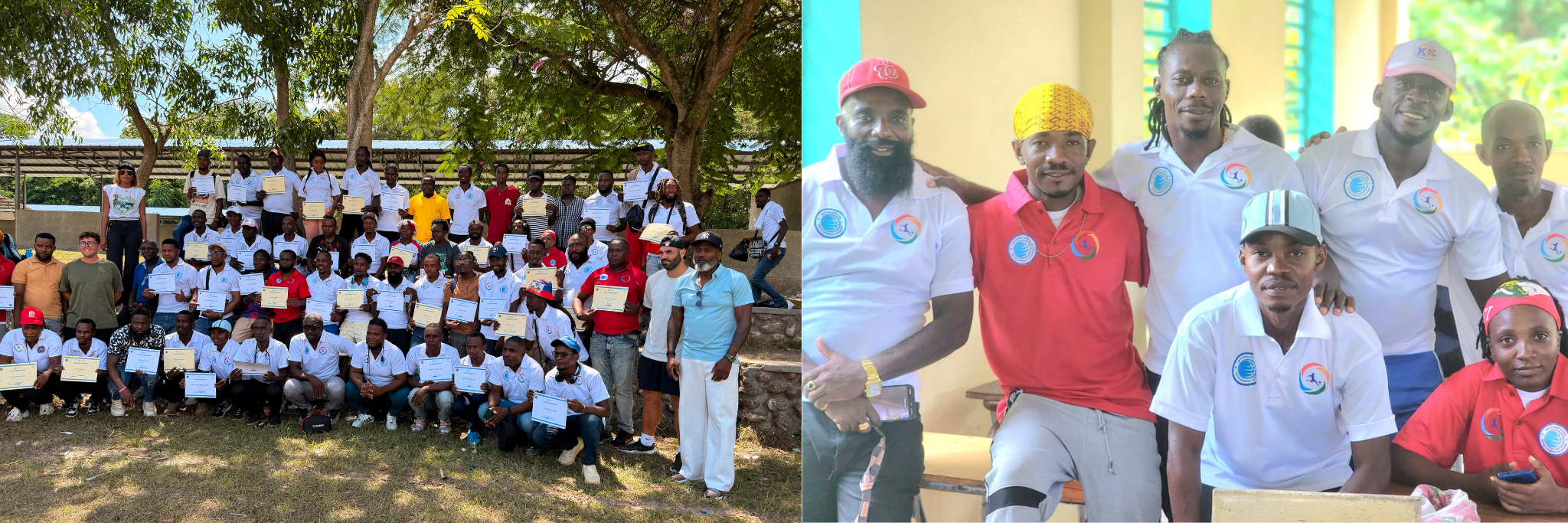
The Coaching Education Program concluded with 64 coaches completing the two-day course, receiving certificates and taking home the materials from the program to continue applying and developing what they had learned within their own teams and environments.
But no one involved sees two days as the finished product.
“We definitely will need more coaching education classes,” Pedro said. “The two days were amazing, but not enough.”
What those two days can provide is a starting point.
The immediate impact may be seen in better-planned sessions, more intentional observation, greater focus on individual development and coaches equipped with new ways of thinking about the game.
The longer-term ambition is much bigger.
By investing in coaches, the goal is for that knowledge to reach team after team, player after player – strengthening the environment in which Haiti’s next generation grows up playing the game.
For IDA, that ambition reflects a broader commitment to player development that extends beyond the walls of its academies. Creating meaningful pathways in football isn’t only about providing opportunities to individual players; it also means investing in the environments, coaches and communities that shape their development long before the next step in their journey arrives.
The Haiti Project puts that philosophy into practice. By sharing expertise, adapting it to the local context and building relationships with organizations already doing the work on the ground, IDA can contribute to development that continues long after a two-day course ends.
For a country where passion for football has never been in short supply, the next step is helping ensure opportunity and education can grow alongside it.
Ghanaian winger Emmanuel Abrokwa has signed with Sevilla FC through June 2029, becoming the first Ghanaian player in the club’s history. His journey is a story of talent, patience, preparation, and making the most of every opportunity along the way.
At 18 years old, Emmanuel Abrokwa has already achieved something few players ever do.
The winger from Kumasi, Ghana has signed with Sevilla FC through June 2029, becoming the first Ghanaian player in the history of the Spanish club.
It is a landmark achievement, both personally and nationally. But the story behind the signing is not one of overnight success.
For Emmanuel, the opportunity began with his performances at a tournament with Adabraka Elders FC, where he did enough to earn the chance to trial with Sevilla. From there, the next challenge was clear: prove that he was ready.
That process brought him to Spain, where he spent three months at IDA Valencia while navigating the trial period with Sevilla, training consistently, competing regularly, and adapting to the demands of Spanish football between visits to the club.
Each time he returned to Sevilla, his focus was the same.
“I focused on training hard, improving my weaknesses, and staying ready so that every time I returned, I could show a better version of myself.”
That mindset would ultimately help turn opportunity into reality.
A Dream That Started in Kumasi
Emmanuel’s football story began the same way it does for so many players around the world: simply playing because he loved the game.
“My football journey started when I was very young, just playing for fun with friends and family.”
Over time, that passion became more serious.
He developed through clubs in Ghana, building his technical ability, confidence, and mentality while becoming increasingly focused on one goal: reaching Europe.
“At that stage of my career, my main goal was to compete in Europe, improve every day, and earn an opportunity with a professional club.”
Then came the moment that changed the direction of his career.
“The opportunity to come to Spain and trial with Sevilla came through my performance in a tournament I participated in,” Emmanuel explains. “When the chance came, I knew it was something I had to take seriously.”
Three Months That Mattered
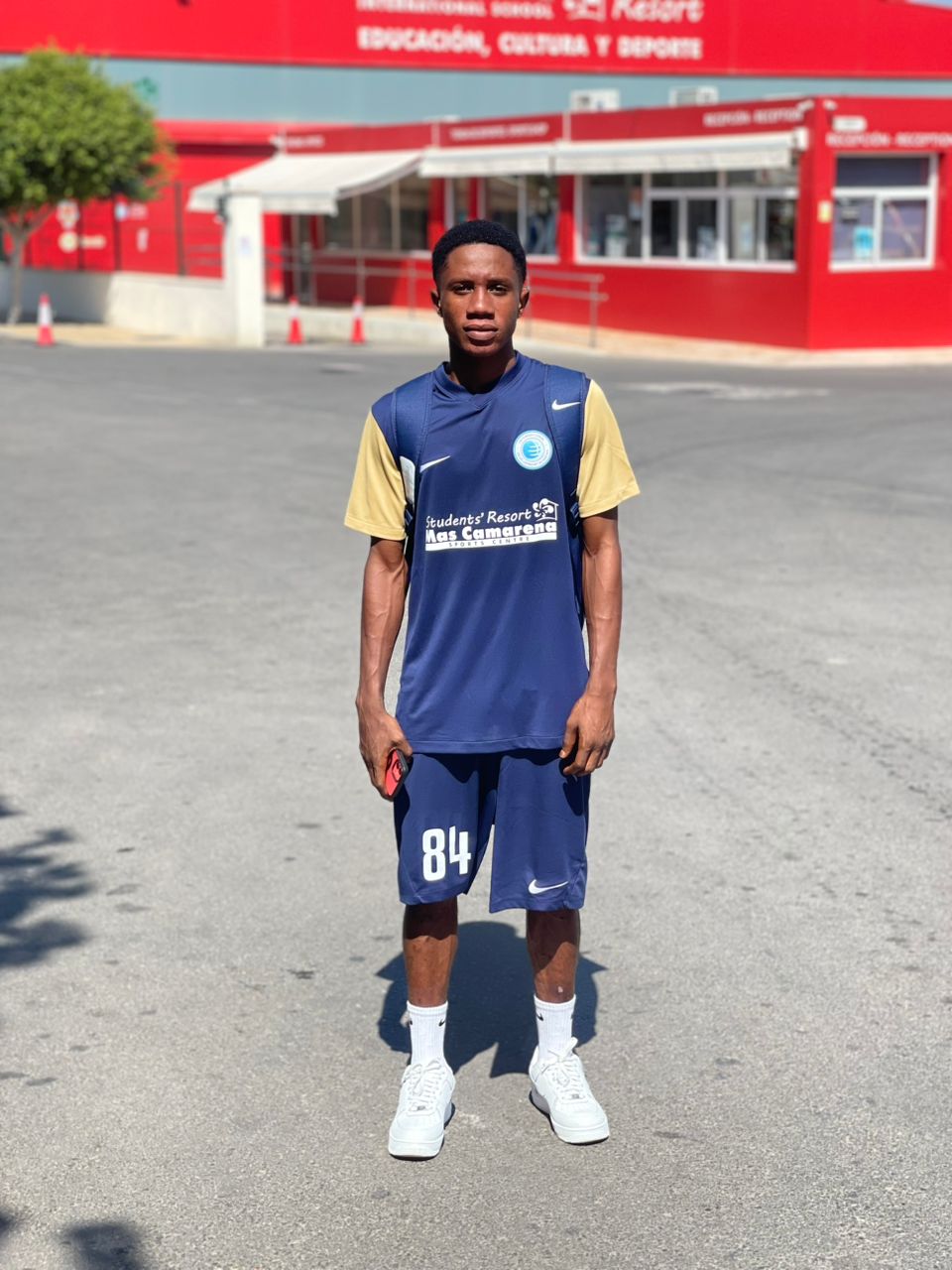
Once in Spain, Emmanuel joined IDA Valencia during one of the most important periods of his young career.
Over the next three months, the Academy became his daily football environment as the Sevilla process unfolded: a place to train consistently, compete, continue developing, and begin adapting to the demands of the Spanish game.
“Joining IDA during that period gave me the perfect environment to stay competitive, train consistently, and adapt to Spanish football while going through the trial process.”
For Emmanuel, every session carried extra weight.
“Those three months at IDA Valencia were very important for me,” he says. “It was a period full of pressure, excitement, and motivation because I knew every training session and every match mattered.”
For a young player adapting to a new country, a new football culture, and the uncertainty of a professional trial process, consistency became essential.
“IDA provided me with high-level coaching, strong competition, support off the pitch, and a professional environment that helped me stay focused throughout the process.”
For international players pursuing opportunities in Europe, being seen is only one part of the journey. Being prepared when the next opportunity arrives is just as important.
For Emmanuel, those three months provided exactly that: the chance to train every day, compete regularly, adjust to the speed and intensity of Spanish football, and continue progressing while his opportunity with Sevilla developed.
Returning Better Each Time
Emmanuel traveled to Sevilla twice during his three-month period in Spain.
Each visit brought another opportunity to prove himself.
“Traveling to Sevilla two separate times was challenging because every visit felt like another opportunity to prove myself,” he says. “I had to stay patient and mentally strong.”
Between trips, he returned to Valencia with a clear objective: keep working and be ready.
“During my time at IDA, I improved a lot tactically and physically, especially adapting to the speed and intensity of Spanish football.”
That daily immersion helped him become increasingly comfortable in the environment he was trying to break into.
“Training every day in that environment helped me become more confident and prepared each time I went back to Sevilla.”
The progression did not happen through one perfect performance. It happened over time.
Emmanuel continued working between each opportunity, gradually showing Sevilla more of what he could offer.
Eventually, the conversations changed.
“I started to feel Sevilla genuinely wanted to sign me after my later visits, when the conversations became more serious and the coaches showed strong interest in my development.”
And then came the moment he had spent years working toward.
“When I finally found out I would be joining the club, it was an incredible feeling. I was proud, excited, and grateful because it was something I had worked towards for many years.”
Competing with IDA at Surf Cup International
Even while going through the Sevilla trial process, Emmanuel continued competing.
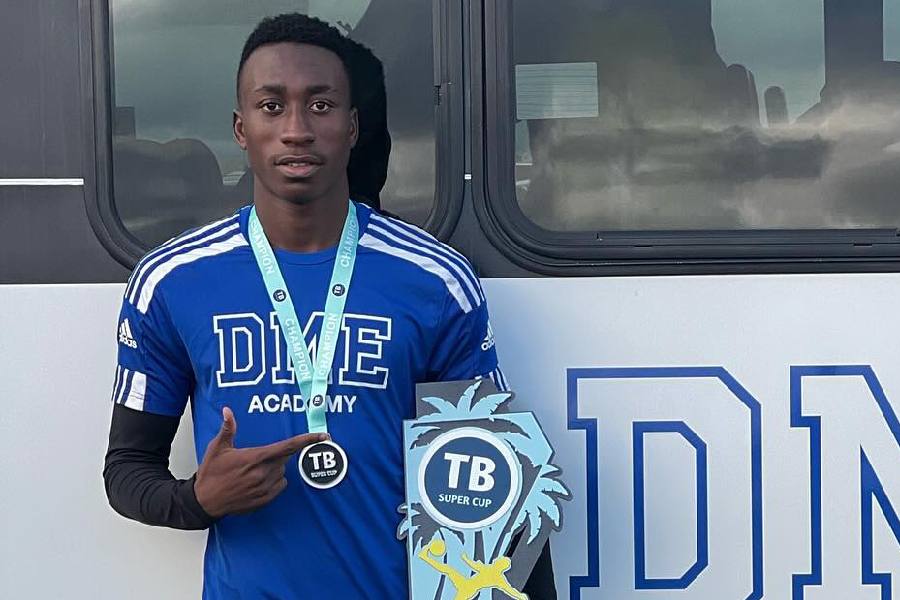
During his time at IDA Valencia, he represented the academy at Surf Cup International Salou, helping the team earn the Silver Trophy.
“Surf Cup International was a great experience,” he says. “Winning the Silver Trophy with the team was special because we worked very hard together throughout the tournament.”
For Emmanuel, the tournament offered another opportunity to test himself against strong opposition while continuing his development in Spain.
“What I remember most was the team spirit, the competitive matches, and the opportunity to play against strong international opposition while representing IDA.”
It became another important part of three months defined by competition, adaptation, and preparation.
Making History with Sevilla FC
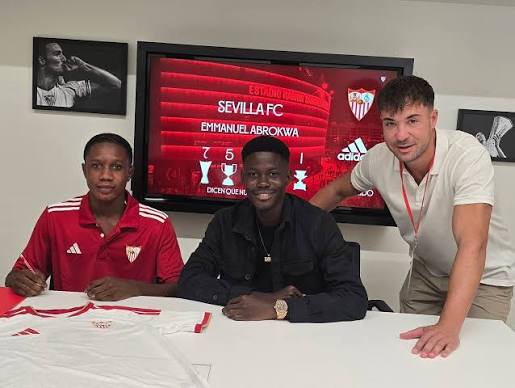
Signing for Sevilla at 18 is already an extraordinary achievement.
Doing so as the first Ghanaian player ever to sign for the club makes the moment even more significant.
For Emmanuel, however, the achievement is deeply personal.
“Signing for Sevilla at 18 means everything to me and my family,” he says. “They have supported me from the beginning and sacrificed a lot to help me chase this dream.”
When he looks back at the journey, what makes him proud is not only the contract.
It is everything required to reach it.
“Looking back, I’m most proud of staying patient, continuing to believe in myself, and never giving up during difficult moments.”
That mindset is perhaps the clearest reflection of his journey so far.
An opportunity opened the door. Patience, discipline, and preparation helped Emmanuel make the most of it.
The Next Chapter
For Emmanuel, signing the contract is not the end of the journey. It is the beginning of the next challenge.
“My goals now are to continue developing as a player, adapt quickly to the professional environment, and help the team in every way I can.”
He is already looking ahead.
“I want to keep improving every day, earn opportunities at a higher level, and build a long and successful career in football.”
Emmanuel arrived in Spain with an opportunity and an ambition. Over three demanding months, he trained and competed at IDA Valencia, adapted to a new football culture, returned to Sevilla determined to show a better version of himself, and ultimately earned the moment he had been working toward for years.
His journey reflects the environment IDA strives to create for ambitious international players: one where development happens every day, meaningful competition is part of the process, and players are prepared to make the most of the opportunities ahead of them.
At just 18, Emmanuel has already made history as the first Ghanaian to sign for Sevilla FC.
And his story is only getting started.
In February 2022, International Development Academy and DME Academy launched a new vision for player development in the United States.
The goal wasn’t to create a shortcut to the professional game. It was to build a program that gave any player the right environment, education, resources, and structure to reach whatever level their talent could take them.
Among the inaugural group of just 13 players was a talented teenager from Côte d’Ivoire named Yan Diomande.
Four years later, that same player has represented his country at the FIFA World Cup, been named Player of the Match on football’s biggest stage, and completed a record-breaking transfer to Real Madrid.
For everyone involved in those early days, his journey is a source of pride. More importantly, it’s a reminder of why environments – and pathways – matter.
A Journey That Captured the Football World
“The moment I realized he was really, really different was when we played against college kids. It almost felt like he was an adult playing against kids. There were times in training you could really see his IQ. Even though his English wasn’t the best yet, he could comprehend concepts other players couldn’t, and could do it all with both feet.”Thales Peterson, one of Yan’s coaches at DME Academy
The program’s competitive structure wasn’t confined to a single league or age group, unlike the traditional U.S. club and academy system. Instead, the team played whoever provided the right level of competition and exposure — top youth clubs, international academies, NCAA collegiate programs, and even semi-pro and professional level competition.
Rick Angelicola, IDA’s Director of Global Development, who oversaw the project from IDA’s side, saw it firsthand too.
“I remember seeing him play against an MLS reserve side that was full of pros and trialists. He scored two or three goals and was the best player on the field.”Rick Angelicola
That summer, he led AS Frenzi to the UPSL national title, scoring in every round of the playoffs to win the Golden Boot, and was named the scouting network STARI’s Player of the Year. Diomande went on trial with several clubs in the U.S. and Europe before ultimately signing with CD Leganés when he turned 18.
From there, less than two years later, he’d established himself in one of Europe’s top leagues, secured a transfer to RB Leipzig, and represented Côte d’Ivoire at the FIFA World Cup. Now he joins Real Madrid.
It’s a story that’s captured headlines around the world.
The Power of the Right Environment
Player development is rarely defined by one moment. It happens over thousands of training sessions and competitive matches, setbacks and breakthroughs.
That philosophy has always been at the heart of IDA’s mission: create an environment where players could challenge themselves every day, and be ready for whatever opportunity came next — built to help student-athletes progress far faster than just a club or high school environment can. It’s the same approach that’s helped IDA’s Valencia campus become one of the top academy programs in Europe. That same demand for a U.S. option is what brought IDA stateside in 2022 to launch the program together with DME Academy.
But the right environment isn’t only about what happens on the pitch.
“What a program like this gives players, beyond the soccer, is community. Kids have time to grow up and mature, to live away from home in a new culture. They get a real support system around them, and a staff that really cares for them — that can make a tremendous difference in their lives, and in how prepared they are to step into whatever the next step in their journey may be.”Rick Angelicola
Pathways Are Meant to Open Doors

No two players follow the same route. Some spend their entire youth career in one academy. Others find their opportunity somewhere else entirely.
Yan’s story is a reminder that there’s no single blueprint for success. What matters is an environment that keeps up with the player.
For IDA, that belief has shaped its approach from the very beginning, across all of IDA’s international campuses.
Few journeys will ever lead to a FIFA World Cup or Real Madrid. But every player’s journey deserves an environment built to help them get there.
“It makes me feel very, very proud to see him playing in one of the biggest clubs in the world. It’s a true blessing and honor to have coached him.”Thales Peterson
“Kudos to the DME team and staff who worked with Yan during his time in Florida. The program was fortunate to have him, and I hope that it played some small part in preparing him for everything that’s followed.”Rick Angelicola
After two seasons developing at IDA Valencia, goalkeeper Robert Conover has committed to West Chester University, where he’ll continue his academic and athletic career in NCAA Division II.
For the Maine native, the move to Spain wasn’t simply about experiencing football abroad – it was about finding an environment that would challenge him every day, accelerate his development, and prepare him for the next step in his career.
Looking back, Robert believes those two years in Spain shaped him just as much as the destination they helped him reach.
Building a Goalkeeper’s Foundation
Robert’s football journey took him through several different soccer environments before eventually bringing him to Spain.
He first discovered the game while living in South Carolina, where he spent five to six years playing for GPS. After moving to Maine, he continued developing with a local club before joining New England Surf, where he spent the next two seasons continuing his growth as a goalkeeper. That experience became the foundation for the next step in his journey, earning the opportunity to join IDA Valencia and continue his development in Spain.
“Every step of that journey helped shape me into the player I am today and ultimately led me to IDA Valencia,” he said.
Experiencing different football cultures from an early age also shaped the way he approached the game.
“In South Carolina, I learned the fundamentals of the game and developed my passion for playing. After moving to Maine, I had fewer opportunities than players in bigger soccer markets, so I had to make the most of every training session and every match.”
That experience taught Robert the value of consistency, discipline, and making the most of every opportunity – qualities that would become even more important when he decided to continue his development overseas.
Embracing a New Challenge
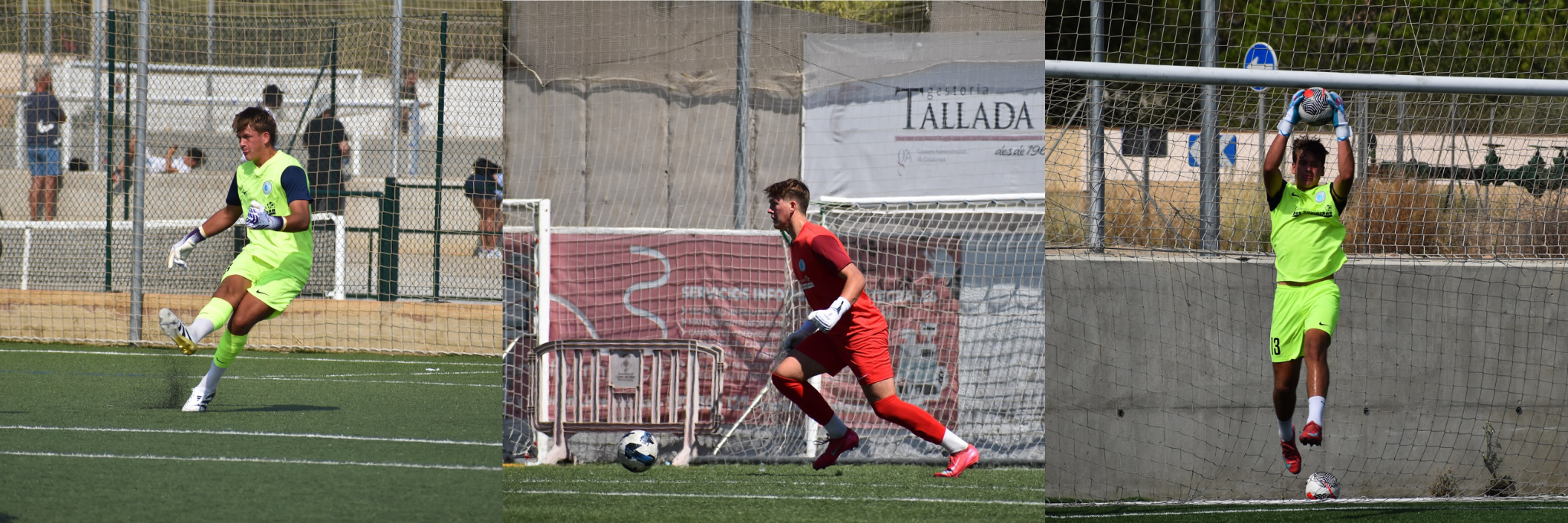
Rather than taking a familiar path, Robert chose to continue his development in Spain.
“I wanted to challenge myself in a completely different football environment,” he explained. “Training and living in Spain gave me the opportunity to experience a new style of play while also opening doors toward playing college soccer in the United States.”
From his very first training session, he knew he had found exactly what he was looking for.
“The intensity and quality of the training stood out immediately. Every session was competitive, and the technical level was extremely high. It pushed me outside of my comfort zone from day one.”
The biggest adjustment came from the speed of the game.
“Every player was comfortable on the ball, so you had to think and react much faster than I was used to.”
Competing in Spain
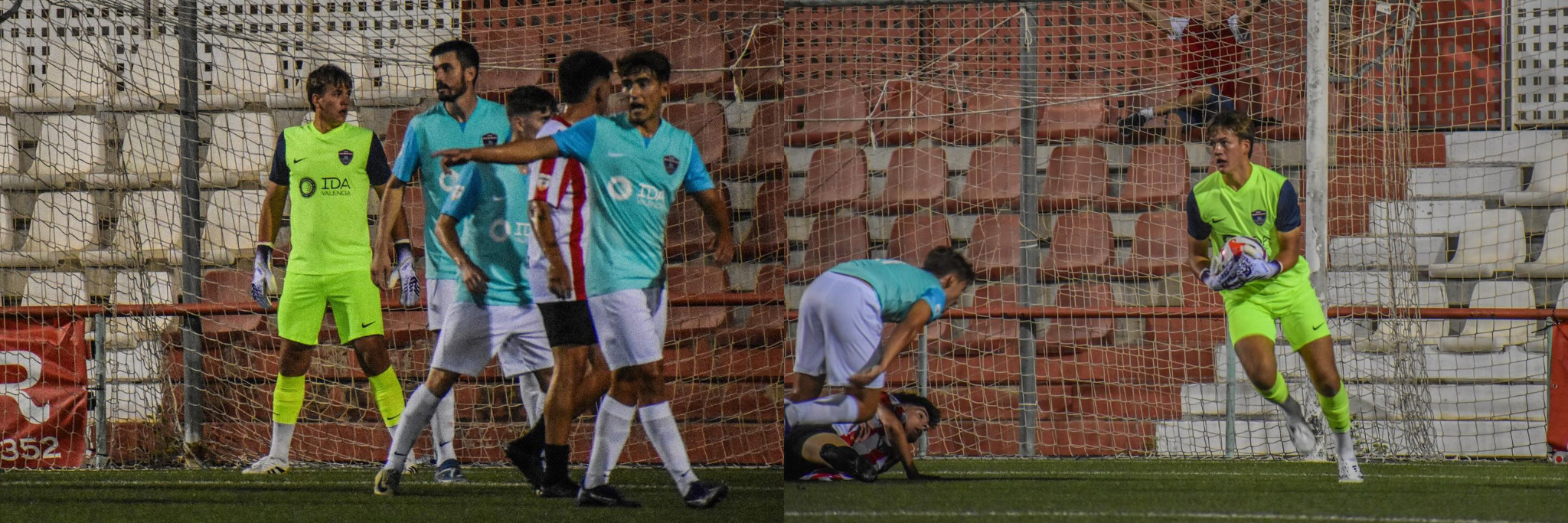
As the months passed, Robert noticed improvements in every area of his game.
“I’ve improved in every aspect. Technically, I’ve become much more comfortable with the ball at my feet. Tactically, I’ve learned how to read the game better and communicate more effectively with my back line. Mentally, I’ve become more confident, resilient, and able to handle pressure in big matches.”
His growth was reflected not only in his individual performances, but also in the success of the teams he represented.
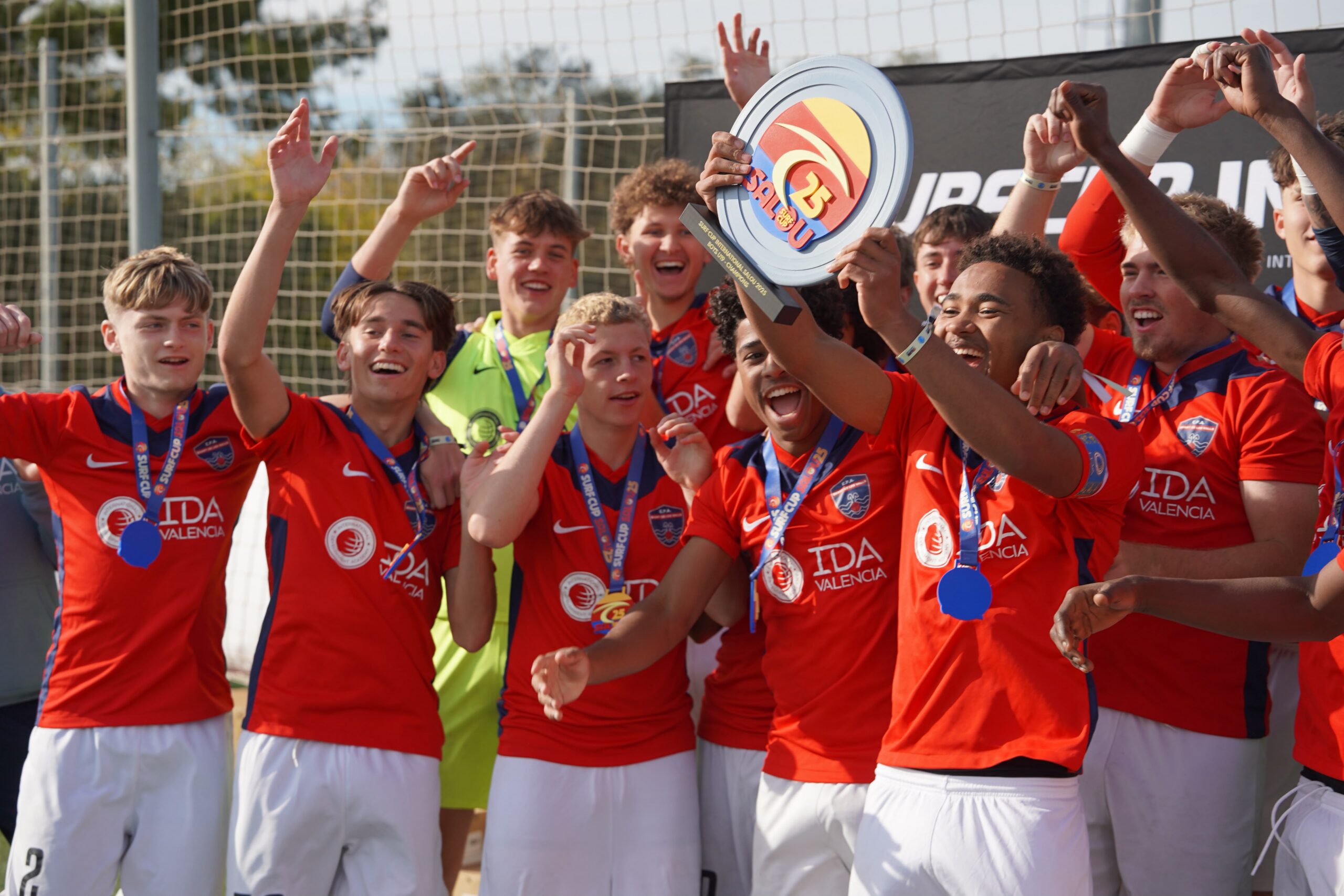
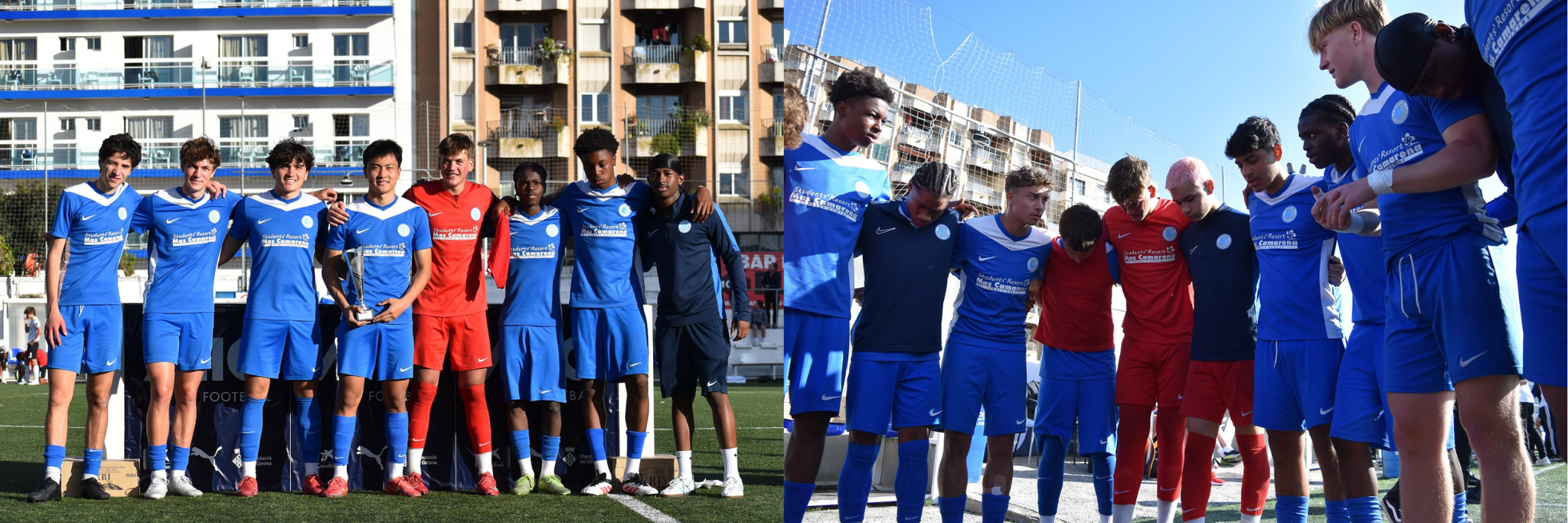
During his time in Spain, Robert celebrated victories in the MIC Football Silver Bracket, Surf Cup International Salou Silver Bracket, and the Segona Juvenil League with CFA Quart de les Valls. He also celebrated promotion with the club’s U19 side – achievements that came through competing week in and week out against strong opposition. Competing in both elite international tournaments and the Spanish league allowed him to test himself in different high-level environments throughout the season.
“It was a combination of everything,” he said. “The coaching staff, the daily training environment, and the opportunity to compete against top professional academies all helped me improve.”
Away from football, the experience proved just as valuable.
“Living abroad helped me become much more independent and adaptable. I also met lifelong friends from all over the world, and experiencing different cultures was something I’ll always be grateful for.”
Turning Ambition Into Opportunity
As Robert continued developing in Spain, college soccer became less of a dream and more of an attainable goal.
“Once I started competing consistently at IDA and playing against high-level competition, I realized college soccer was a realistic goal.”
Another important part of that journey was IDA Valencia’s partnership with Brusa Sports, which helped guide him through the recruiting process.
“They helped me create my player profile, communicate with college coaches, and find programs that were a good fit both academically and athletically. Having IDA and BRUSA working together made the whole recruiting process much smoother and gave me a lot of confidence.”
That process ultimately led him to West Chester University. By that stage, Robert had already experienced every level of the organization’s player development model – from club football in the U.S. to a full-time academy environment, international competition, and Spanish league football.
“I’ll be joining the roster as one of five goalkeepers. I’m excited to compete every day, keep improving, and earn my opportunities within the program.”
Finding the Right Fit
For Robert, choosing West Chester came down to more than football alone.
“West Chester University stood out because of the coaching staff, the competitive environment, and the overall culture of the program. I felt it was the right place for me to continue developing both as a student and as a goalkeeper.”
Now, he’s eager to embrace another challenge.
“I’m looking forward to competing at the college level, improving every day, and challenging myself against talented players. It’s another opportunity to keep growing and see how far I can take my game.”
Ready for the Next Chapter
Reflecting on his experience, Robert credits his time in Spain with preparing him for every aspect of what’s ahead.
“My time at IDA was incredibly important. It gave me the chance to train in a professional environment, compete against top academies, win trophies, earn promotion with Quart de les Valls U19, and experience football from a completely different perspective.”
Just as importantly, it connected him with the people and opportunities that helped turn his college ambitions into reality.
“It also connected me with Brusa Sports, which helped make my college dream a reality. Without IDA, I don’t think I would have been as prepared for the opportunities I have today.”
This fall, Robert begins his NCAA Division II career at West Chester University, bringing with him not only two seasons of experience competing in Spain, but also the confidence, resilience, and perspective gained from stepping outside his comfort zone.
Robert’s story also highlights the strength of a connected player development pathway. His journey within the Global Soccer Alliance ecosystem began at New England Surf, where he spent multiple seasons developing before taking the next step to IDA Valencia. In Spain, he combined daily academy training with international tournaments such as the Surf Cup International Salou and MIC Football Tournament, while competing week in and week out with CFA Quart de les Valls. Today, that journey has led him to West Chester University –a progression that demonstrates how club development, international academy training, elite competition, and college placement can work together as one continuous pathway.
After arriving in Spain through IDA Valencia, American defender Mikal Greene immersed himself in one of the world’s most demanding football cultures, developing on and off the pitch before earning opportunities with CFA Quart de les Valls and, most recently, UD Vall de Uxó.
When Mikal Greene arrived in Valencia, he wasn’t looking for a short-term football experience.
The American center back from Charleston, South Carolina, came to Spain with one goal: to become the best player he could be. What he found was an environment that challenged every aspect of his game and accelerated his development in ways he never imagined.
Through daily training, competitive matches, and complete immersion in Spanish football, Mikal transformed technically, tactically, physically, mentally, and personally. That growth soon translated into opportunities on the pitch, first with CFA Quart de les Valls and now with UD Vall de Uxó, where he continues his football journey.
Looking back, he still remembers exactly what crossed his mind after his very first training session.
“This is exactly where I need to be.”
For Mikal, that moment marked the beginning of a journey that perfectly reflects what the International Development Academy is designed to provide – not simply an opportunity to train in Europe, but a complete development pathway within one of the world’s most competitive football environments.
Choosing the Right Environment
Growing up in South Carolina, Mikal always knew football was his passion. While the game continues to grow rapidly in the United States, he believed immersing himself in Europe would expose him to a different level of football education.
“Football where I’m from is a big sport, but not as big as football anywhere else,” he explains. “Being surrounded by European coaches and excellent players shaped me into the strong player I am today.”
Having previously experienced IDA during a visit to Spain in 2022, returning to Valencia was an easy decision.
“I was very familiar with the organization, how they run things, the coaches and the players,” he says. “But I knew that if I wanted to improve my game the right way, IDA would help me in ways I wouldn’t be able to help myself.”
His instincts were confirmed immediately.
“My first impression after training with IDA for the first day was nothing short of excitement. I remember saying, ‘This is exactly where I need to be.’”
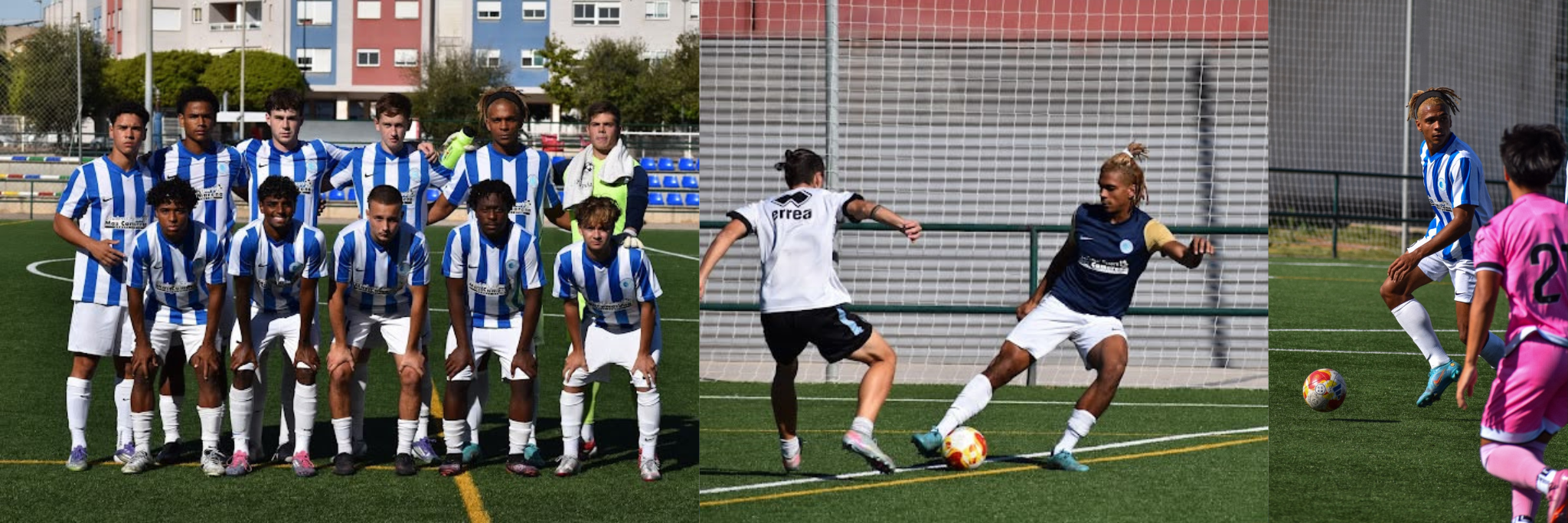
Learning the Spanish Game
For Mikal, development wasn’t limited to improving individual skills. Spain changed the way he understood football.
His technical confidence grew, allowing him to become more comfortable in possession and more effective with the ball at his feet.
Tactically, he was introduced to concepts that became second nature through daily coaching sessions.
“I got to learn, listen, and speak with coaches in Spain about formations, pressing timing, team shape in relation to the opposition, when to press, when to drop.”
The physical demands of Spanish football also transformed him. Since joining IDA Valencia, Mikal has added nearly 20 pounds of muscle, making him stronger in duels, more dominant in the air, and better prepared for senior football.
Perhaps the biggest change, however, came mentally.
“The mental side was by far the hardest aspect of the game to evolve,” he says. “Soccer is a mental sport.”
Instead of dwelling on mistakes, he learned to reset immediately.
“When I used to tell myself after a bad pass, ‘That was awful,’ now I’ll say, ‘I’m going to fix that next time.’”
He credits IDA coach Vicente Bosch with helping shape both his mentality and his understanding of the center back position.
“He taught me how to play as a Spanish center back, and how to keep my head level at the same time.”
Growing Beyond the Pitch
Moving to Spain also meant adapting to a completely new culture.
Without speaking Spanish before arriving, learning the language quickly became one of the biggest challenges of his journey.
“The biggest challenge I’ve faced was by far the language.”
Recognizing both his potential and the obstacles he faced, the coaching staff helped him adjust on and off the field.
“They noticed I didn’t speak Spanish, but had potential, so they started helping me learn.”
Living abroad also required independence, resilience, and maturity.
“Living abroad made me tough and forced me to do things on my own, which I’m thankful for.”
For many international players, these experiences become just as valuable as the football itself.
Earning His Opportunity
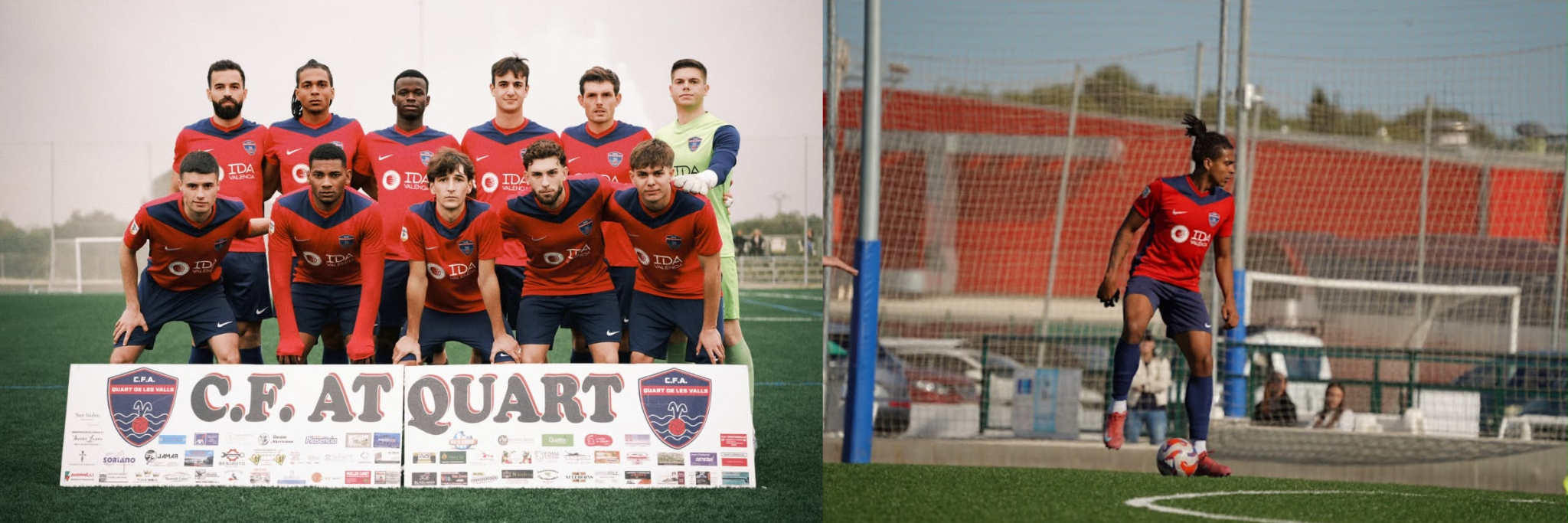
One of the defining characteristics of the IDA model is that players develop within the Spanish football ecosystem every day. Rather than relying on isolated showcases, opportunities are created through consistent training, competition, and performance.
That was exactly how Mikal’s next step unfolded.
He initially joined the CFA Quart de les Valls B team, but because both squads trained alongside each other, an unexpected opportunity quickly appeared.
One day, Vicente Bosch approached him about training with the first team.
“The. Level. Was. Unreal,” Mikal recalls. “It was like nothing I had ever seen before.”
Rather than feeling intimidated, he embraced the challenge.
“I knew my work was cut out for me, but as long as I could prove I should be there, just maybe they would sign me.”
Within a couple of weeks, they did.
His first season in senior Spanish football became another important milestone – not only because he earned his place, but because his performances started attracting attention from clubs at the next level.
Throughout the season, UD Vall de Uxó head coach José Descalzo regularly attended training sessions, watching his progress.
Eventually, Vicente shared the news.
“‘Descalzo wants you for next year.’”
Mikal continued working, continued improving, and ultimately earned his move to UD Vall de Uxó.
“I was grateful, shocked, and very happy.”
For him, the move represents another step forward.
“It’s a higher division than the last, but there are still so many things I need to learn before I can progress any higher. I have no doubt Vall de Uxó is going to help me continue developing.”
Looking Ahead
Despite everything he has already accomplished, Mikal believes this is only the beginning.
His goals for the coming season are simple: earn more minutes, contribute more goals, become even stronger physically and mentally, and help his new club compete for the league title.
Long term, his ambitions remain unchanged.
“I hope this opportunity will take me to the highest doors of all. I wish to be playing with the best of the best one day, and I’d say I’m starting on the right track.”
The IDA Difference
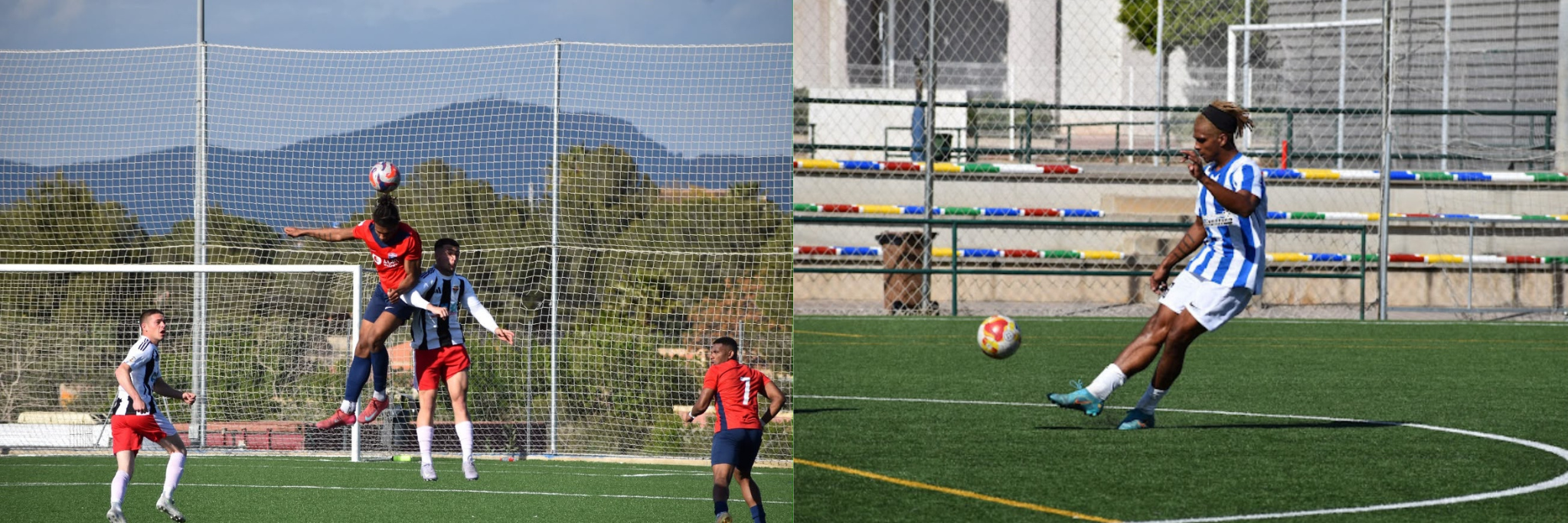
For Mikal, IDA’s impact extended far beyond helping him find a club.
It gave him the environment, support system, and daily challenges needed to accelerate his development.
“IDA was extremely important in helping me get here,” he says. “I wouldn’t have learned Spanish fast enough if it weren’t for IDA. I wouldn’t be this physically strong if it weren’t for IDA. I wouldn’t be enjoying my experience this much if it weren’t for IDA.”
He also believes the Academy’s commitment to helping international players adapt is what makes the experience unique.
“IDA played a big role in opening my door to Spanish football because not only did they continuously help me find teams to trial and play for, but they also helped foreign players who aren’t comfortable with the country yet settle in.”
His advice for players considering the same path is as straightforward as it is powerful.
“Do it. Literally just do it.”
“In the past year and a half in Spain, I’ve learned more than I learned throughout all of my high school soccer years. There are things that Spain – or Europe in general – can give you that the U.S. simply can’t.”
Mikal’s journey is a reminder that meaningful development doesn’t happen overnight. It comes from training in the right environment, embracing new challenges, and committing to continuous growth every single day.
At the International Development Academy, that philosophy is at the heart of everything we do. By combining elite coaching, competitive opportunities, cultural immersion, and a genuine pathway into European football, IDA helps ambitious players develop into confident athletes prepared for the next stage of their careers.
Ready to take your game beyond your comfort zone? Learn more about the International Development Academy and discover how your own journey in European football can begin.
From Benin to the International Stage
Three years ago, Olayemi Divin Sokpetin arrived at IDA Valencia with a dream that had already guided every step of his young life.
Today, after completing another Benin U17 National Team preparation camp ahead of the WAFU-B Tournament, the 2011-born midfielder returns for his third season at IDA with another valuable international experience behind him. His latest call-up is more than a personal milestone – it reflects years of dedication, sacrifice, and development in an environment designed to help ambitious student-athletes reach their potential.
For Divin and his family, the journey has never been just about football. It’s about trusting the right people, embracing new challenges, and growing both on and off the pitch.
A Dream That Started in Benin
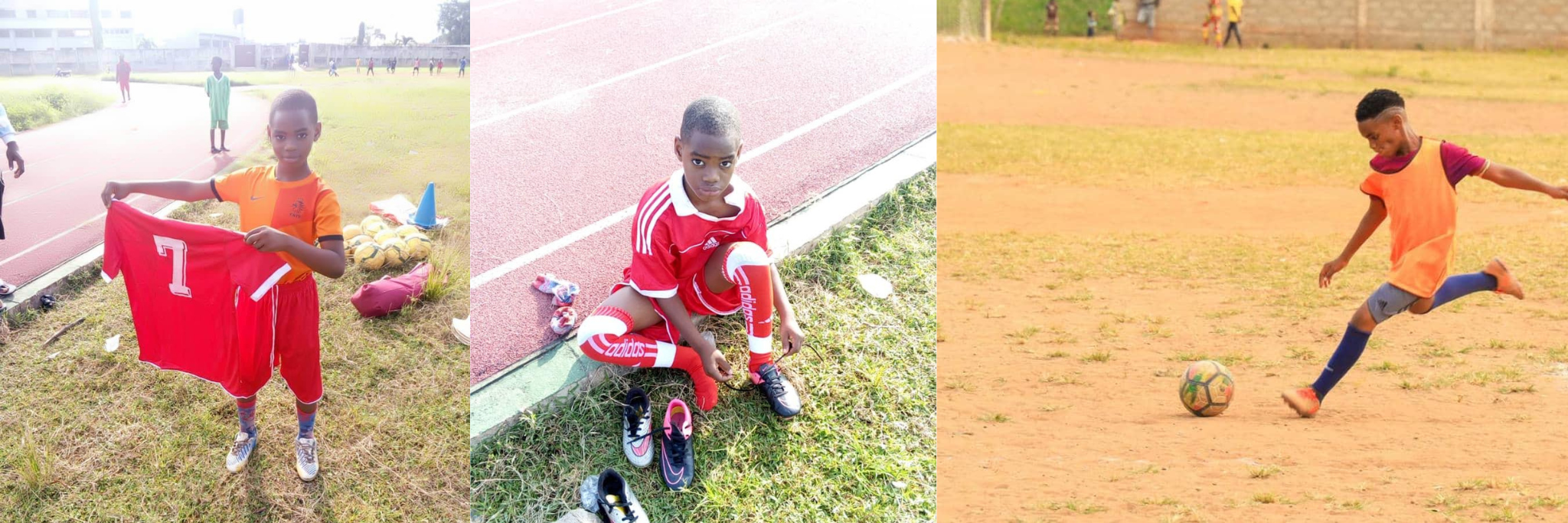
Football has been part of Divin’s life for as long as he can remember.
“Football has always been much more than just a sport for me,” he says. “It is my passion and my way of expressing myself.”
Inspired by his father’s love for the game, he began playing at the age of five before joining his first club at seven.
“I realized at a very young age that I wanted to make football my profession. Since then, every decision I have made has been guided by this goal.”
His family saw that determination early.
“We started noticing his potential at a very young age,” his father recalls. “Football played a central role in his life. What stood out the most was his passion for the game from the age of five, along with his determination and constant desire to learn and improve.”
Why IDA?
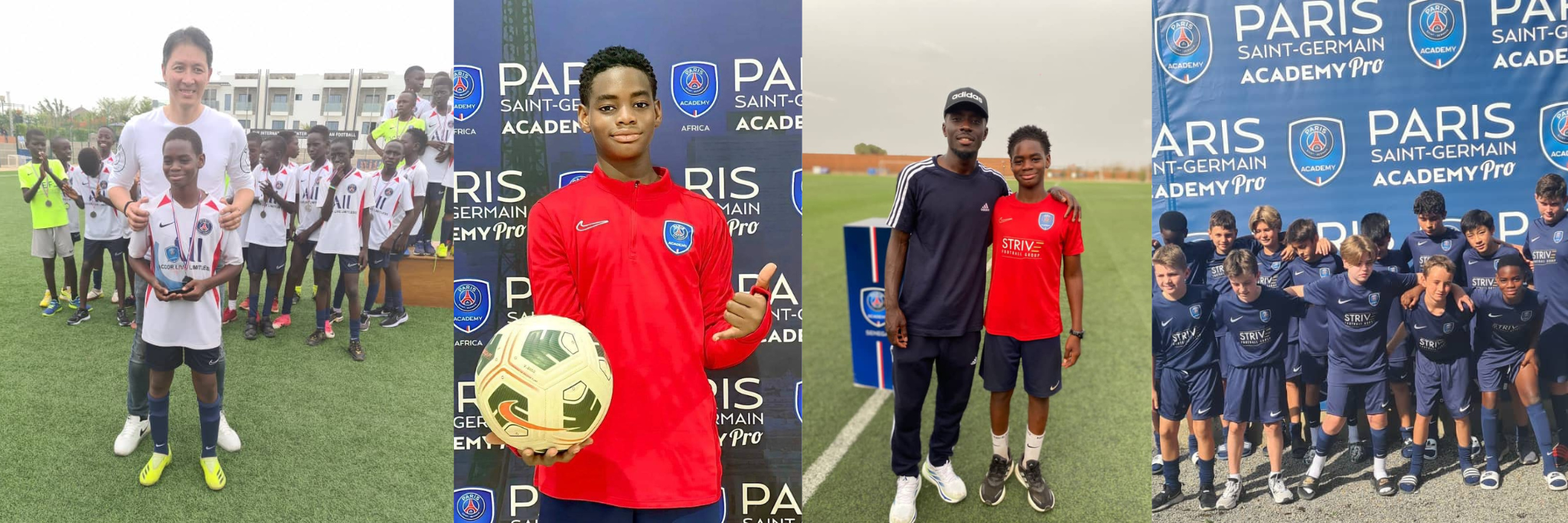
After developing at PSG Academy in Senegal, Divin’s family began looking for an environment that could help him take the next step. Following a recommendation, extensive research, and conversations with the academy, they chose IDA Valencia.
“What convinced us above all was the professionalism of the project and the quality of the environment offered by IDA,” his father says.
“We were looking for a structure that could support Divin not only in his football development but also in his education and personal growth.”
Leaving home at such a young age wasn’t easy.
“It was a very difficult decision emotionally,” he says. “However, we also understood that it was an important opportunity for both his personal and athletic development. We saw his motivation, commitment, and determination to pursue his dream. Although the separation was challenging, we chose to trust him and support his journey.”
That trust has defined the last three years.
Three Years of Growth
Adapting to life in Spain meant learning new languages, embracing a new culture, and stepping outside his comfort zone.
“My first weeks in Spain were challenging but very rewarding,” Divin says. “I had to adapt to a new language, a new culture, and a more demanding lifestyle.”
Looking back, he believes those early challenges helped shape the player and person he is today.
“The biggest change has been my confidence. When I first arrived, I was sometimes afraid of making mistakes. I never gave up. I kept working hard, and my efforts eventually paid off.”
Today, he says he plays “with more personality and composure” and has become “a positive leader” within his team.
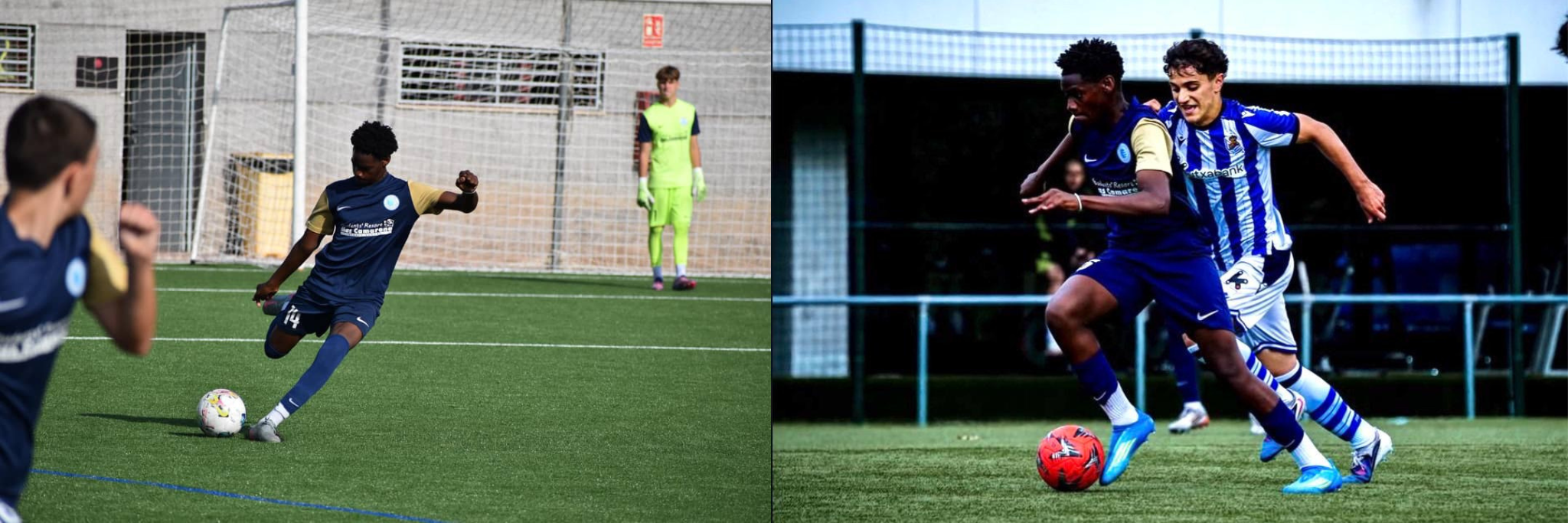
As he prepares for his third season at IDA, he believes he has grown significantly both technically and tactically.
“I have improved a lot both technically and tactically. My awareness, passing ability, first touch, and my ability to handle pressure have all improved significantly.”
Training every day in Spain also changed his perspective on what it takes to succeed.
“I have understood that a player does not improve only through training, but also through his lifestyle, habits, and professionalism.”
His father has witnessed that transformation firsthand.
“We sent a young boy to Spain, and today we see a young man.”
“He has become far more independent, responsible, and mature. He has learned to manage his daily life, make decisions, and make sacrifices in pursuit of his goals.”
For the family, those changes are exactly what they hoped IDA would provide.
“IDA has provided him with an environment that supports his daily development. He has improved his technical, tactical, and mental qualities there. Beyond football, he has also learned discipline, commitment, and professionalism – essential attributes for reaching the highest level of the game.”
Taking the Next Step with Benin
That daily development has continued to translate onto the international stage.
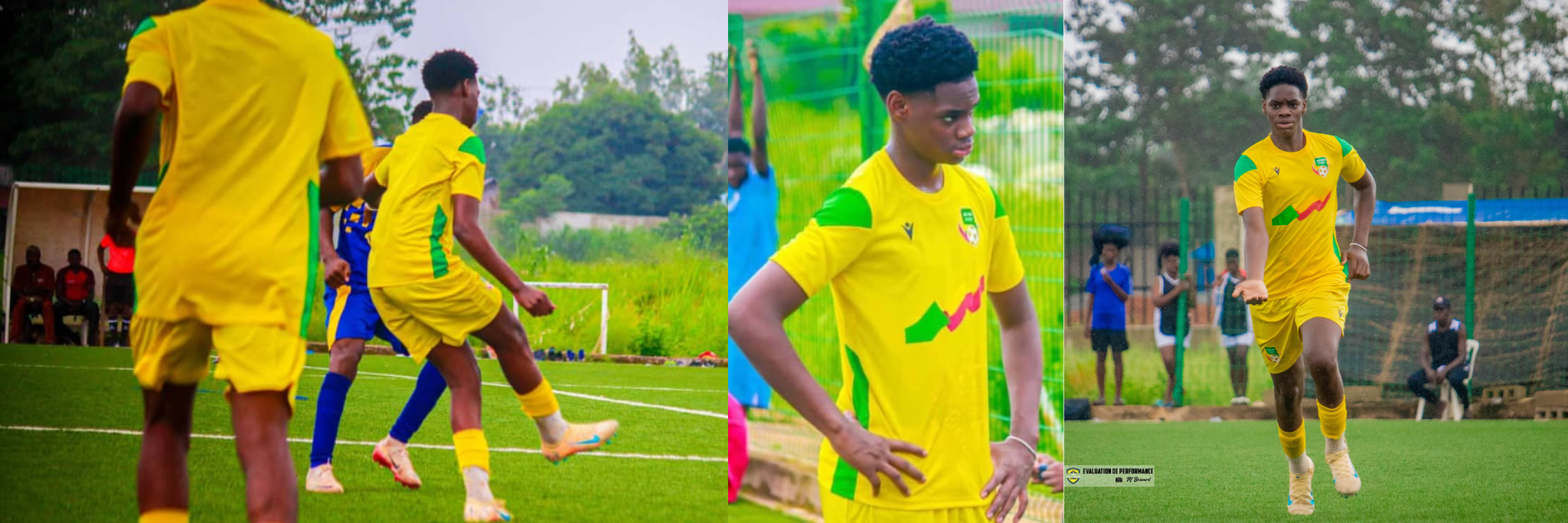
After completing Benin’s latest U17 National Team preparation camp ahead of the WAFU-B Tournament, Divin returns to Spain with another valuable experience that has reinforced his ambition to continue progressing.
“It was a great honor,” he says. “Representing your country is one of the greatest achievements for a young player.”
International football has also brought new lessons.
“I have learned that the international level requires total concentration and great discipline. Every detail matters, and every player must be ready to give their best physically, tactically, and mentally at all times.”
When asked whether IDA has helped prepare him for those moments, his answer is immediate.
“Yes, definitely. My experience at IDA has helped me stand out in several areas, especially my tactical understanding of the game, my composure under pressure, and the maturity of my decision-making. It has helped me adapt quickly to the demands of international football.”
For his father, seeing Divin wear Benin’s colors while continuing his development in Spain validates their decision.
“It also confirms that we made the right decision by trusting him and choosing IDA to support his development.”
The Journey Continues
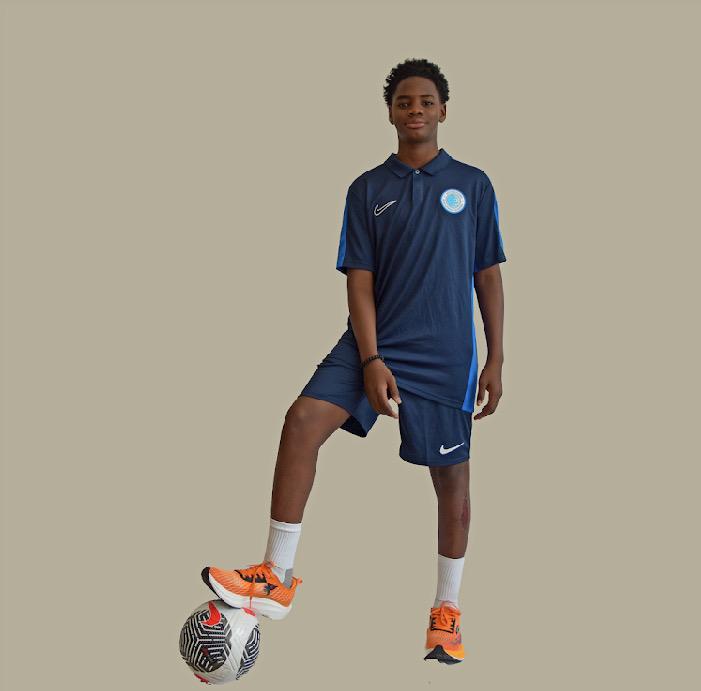
As he begins his third season at IDA Valencia, Divin’s ambitions remain as clear as they were when he first started kicking a ball in the streets of Benin.
“My main goal is to join a professional football academy and take another important step in my career. I want to continue developing at the highest level possible, keep improving every day, and prove that I am ready for the next challenge.”
His father hopes to see him continue that journey while staying true to the values that have guided him from the beginning.
“Our greatest hope is to see him achieve his dream of becoming a professional footballer. We hope he continues to work hard, improve every day and, above all, remain true to the values that have guided him so far: humility, discipline, respect, and determination.”
For families considering a similar path, Divin’s father offers one final piece of advice.
“Do not be afraid of giving your child an opportunity. The most important thing is choosing a serious environment that can support the young player in every aspect of their development. IDA is not just a football academy; it is also a place where young people learn to become responsible, independent, and well-prepared to face the challenges of life.”
And for young players dreaming of following a similar path, Divin leaves them with the words that have come to define his own journey:
“Believe in your dreams and never lose sight of your goals. Above all, you must understand: talent alone is not enough. You need discipline, patience, and the willingness to make sacrifices. Daily hard work is always rewarded: football always gives back what you are willing to give to it.”
*Photos courtesy of the Sokpetin family
Right now, two of the four best teams on earth are Spain and England. They’re battling for a place in the World Cup final – and they’re also the two places the International Development Academy develops players full-time, all year round.
That’s the difference between admiring the best football in the world and training inside it. A tournament shows your player what elite looks like for a week. A residential academy changes who they are as a player over a season. For the athlete who’s serious – who wants to find out how far they can really go – that’s the decision that matters.
IDA isn’t a trip. It’s a full-time home for a player’s development: elite coaching, real competition, proper academics, and a staff whose entire job is to move each player toward the professional or college game. Two countries, two pathways.
IDA Valencia – the residential academy in the heart of Spanish football (ages 15–22)
In Valencia, your player lives and trains inside La Liga country. That means a minimum of 12 hours of training a week, 50+ competitive matches a year against semi-professional sides and La Liga academies, and trial pathways to professional clubs including Villarreal CF and CD Castellón – with video analysis and an individual development plan built around them.
And because a year abroad can’t cost a player their future, academics run in parallel: 120+ NCAA-compliant courses (AP, Honors, ACT/SAT prep) through our partners TPH Academy and Mas Camarena International School, so a player stays fully on track for college eligibility. Full-board housing near downtown Valencia, Spanish lessons, nutrition, physiotherapy, sports psychology, and 40+ full-time staff mean parents can send their player across the world and know they’re looked after.
IDA UK University Pathway – elite football and a real degree, 20 minutes from London (ages 18–22)
For the older player, England offers something U.S. college soccer can’t. Launching for the 2027/28 season in partnership with the University of Hertfordshire, this pathway combines professional-level academy football with a full undergraduate or postgraduate degree. Players train 4–5 days a week under UEFA-licensed coaches, play 100+ competitive games across U19, U21 and U23 sides, and compete in BUCS university leagues and showcase fixtures – all while earning a degree in fields like Sports Business, Business, Economics & Finance, or Sport Science.
The advantages over the U.S. route are concrete: no NCAA amateurism restrictions, a year-round football calendar, a three-year degree instead of four, and U.S. federal loans accepted. It’s built for the player who refuses to choose between football and a future. Applications for the inaugural cohort are open now.
Spain or England. Two of the best football cultures in the world – and two ways to train inside them. Wherever your player belongs, we’ll help you find the right fit on a call.
Train where football is the best. Book a call today!
Explore the UK University Pathway
For Noah Roache, playing college soccer was always the goal.
Growing up between the Caribbean and the United States, the versatile South Carolina native developed a passion for the game that eventually led him across the Atlantic to IDA Valencia. Now, after a year of training and competing in Spain, Noah has committed to Columbia College, where he’ll continue his academic and athletic career with the Koalas in the NAIA.
Looking back, he believes that experience was the turning point in his development.
Finding His Passion for the Game
Roache’s football journey began in an unexpected place.
“I first started playing soccer in kindergarten when I lived in Saint Kitts in the Caribbean,” he said. “Then I moved to the United States in third grade and stopped playing until sixth grade, when I started again and really found a love for it.”
Later, after moving to Bluffton, South Carolina, he quickly realized he had entered a much more competitive environment.
“The football environment was way more aggressive and definitely a higher level. I had to go through ups and downs, learn how to adapt, and it helped me grow as a player.”
Even then, one goal remained constant.
“Before joining IDA, I always knew I wanted to play college soccer.”
Taking the Leap to Spain
Noah’s introduction to IDA came through one of the academy’s summer experiences.
“I went to one of the summer programs and had an amazing experience. That made me realize I wanted to spend a full year there.”
Like many players arriving in Spain for the first time, the adjustment wasn’t immediate.
“At first it was pretty hard for me to adjust because I felt like I wasn’t playing my best,” he explained. “But as time went on, I continued to adapt, grow, and get comfortable.”
Rather than becoming discouraged, Noah used those early challenges as motivation to keep improving.
Growing Through Challenges
The year in Spain tested Noah both physically and mentally.
“I think my game has improved in every aspect,” he said. “Playing so many games and having amazing training sessions, I could only grow.”
His biggest obstacle wasn’t technical – it was confidence.
“The biggest challenge I faced was adapting when I first got there. I wasn’t playing well, and that made me struggle mentally and with my confidence.”
Finding support within the IDA community made all the difference.
“What helped me most was the friends I made while I was staying there. I also trained on my own, which helped me gain a lot of confidence.”
Living abroad also taught him lessons beyond football.
“It helped me grow a lot as a player by being in an area you’re not used to and learning how to adapt, even when you’re uncomfortable at first. I also learned not to be so hard on myself.”
Turning a Dream Into Reality
Although Noah had always dreamed of playing college soccer, the process became real once he started taking ownership of his recruitment.
“I feel like the opportunity became real when I started emailing and calling coaches.”
Like many aspiring college athletes, he learned that recruiting requires initiative.
“First I created a highlight reel to send to coaches. Then I reached out to multiple coaches through email and different social media apps.”
His persistence paid off, earning him a combination of scholarships and a roster spot at Columbia College, where he’ll join the Koalas as they compete in the NAIA.
Choosing Columbia College
When it came time to choose his next home, Noah wanted an environment where he could continue developing while staying close to family, and Columbia College stood out as the right fit both athletically and personally.
“I picked this university because it was close to home, and I felt like I had a great opportunity to grow and become a better player.”
Now, he’s eager for the next challenge.
“I’m most excited to actually play college soccer, see what the level is like, and make new friends.”
The IDA Experience
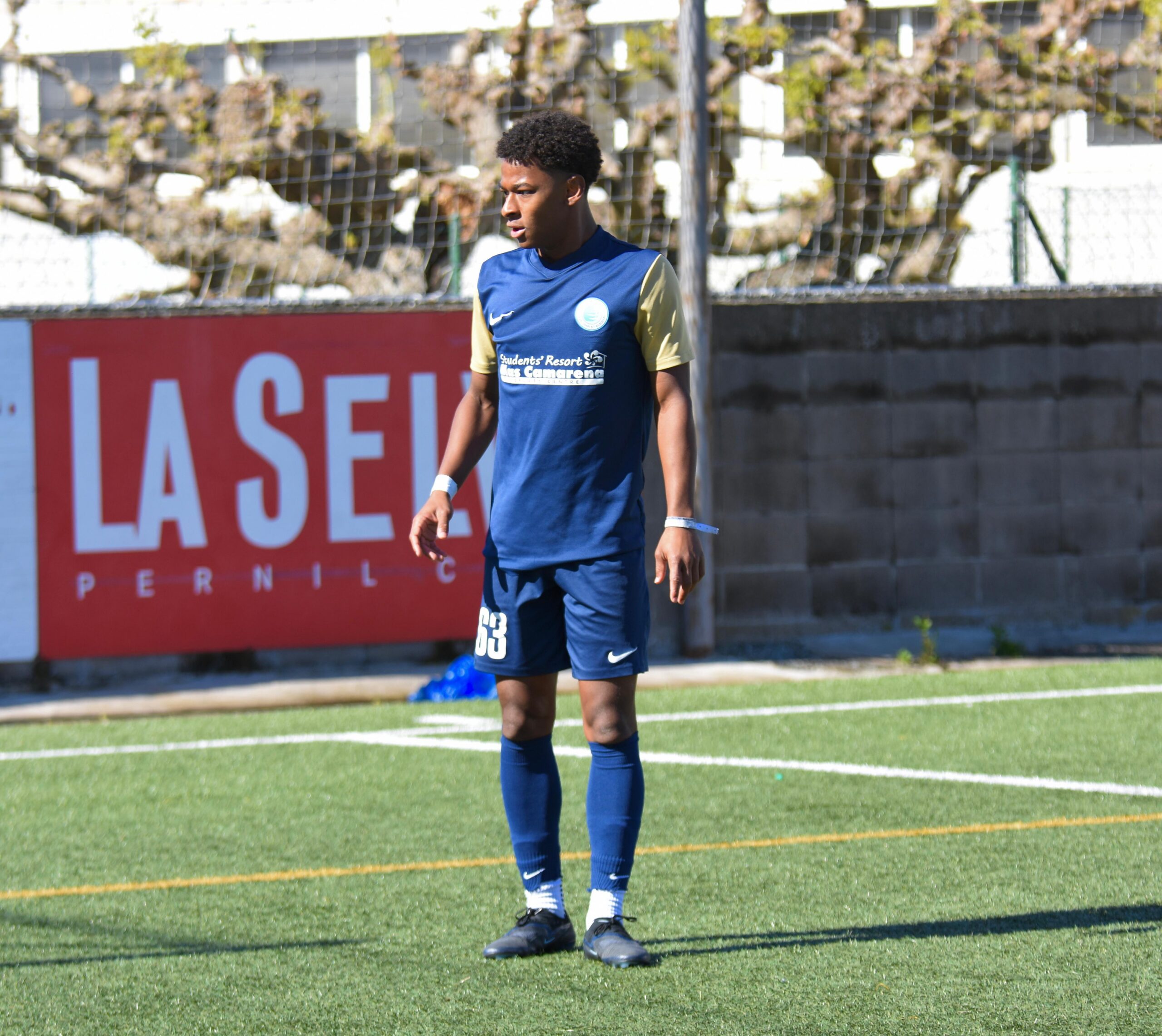
Looking back, Noah sees his year in Spain as the defining chapter of his football journey so far.
“I felt like IDA was the most important part of my journey as a player. I went through ups and downs and got to experience what it looks like to play at one of the highest international levels.”
For players considering taking a similar path, his advice is simple.
“Stay in the present and don’t get too far ahead of yourself. And don’t be too hard on yourself.”
This fall, Noah will begin the next chapter of his journey at Columbia College, bringing with him the resilience, maturity, and international experience he developed during his year at IDA Valencia. As he joins the Koalas program, he’ll do so knowing that the lessons learned in Spain have prepared him for the challenges ahead – both on and off the field.